

How Much Water Should You Actually Drink? A Hydration Guide
Calculate your daily water intake from body size, activity, and climate, then learn how caffeine, electrolytes, and urine colour change the picture.
The eight-glasses myth and what to do instead
You have probably heard that you should drink eight glasses of water a day. It is one of those health rules that gets repeated so often it feels like scientific law. The problem is that it is not based on much actual science, and for most people it is either not enough or more than they need.
I spend a fair amount of time with clients unpacking nutrition myths, and the “eight glasses” rule is one of the stickiest. It likely originated from a 1945 US government recommendation that mentioned roughly 2.5 litres of water per day — but the original text also noted that most of this water comes from food. That second part got lost somewhere along the way, and we ended up with a one-size-fits-all number that ignores body size, activity level, climate, diet, and a dozen other factors that influence how much water you actually need.
The reality is that a 55-kilogram woman who works at a desk in a temperate climate and a 95-kilogram man who runs five days a week in summer heat have vastly different hydration needs. Telling them both to drink eight glasses is like telling them both to eat 2,000 calories — it might be roughly right for one of them, but it is meaningless as universal advice.
So how much water do you actually need? Let’s find out.
How much water should you drink each day?
Your water needs are driven primarily by four factors: your body weight (larger bodies need more water), your activity level (exercise increases fluid loss through sweat), your environment (hot or humid climates increase demand), and your diet (people who eat lots of fruits, vegetables, and soups get meaningful hydration from food).
A common starting estimate is roughly 30 to 35 millilitres per kilogram of body weight per day, adjusted upward for exercise and heat. For a 70 kg person, that baseline is about 2.1 to 2.5 litres — before adding anything for workouts.
Let’s use the water intake calculator to get a personalised target based on your specific details.
Daily hydration target
2.66 L
This total-fluid target includes 0.35 L for exercise, sweat, and warmer-condition planning.
- Suggested drinks
- 2.13 L
- Fluid ounces
- 71.96 fl oz
- Approximate cups
- 8.99 cups
- Base hydration
- 2.31 L
- Activity and climate adjustment
- +0.35 L
- Hourly pace
- 0.15 L/hr
Simple drinking schedule
Morning
0.64 L
Start early so the target does not become a large catch-up volume later.
Midday and meals
0.85 L
Pair most intake with meals and the busiest part of the day.
Evening
0.64 L
Finish steadily and taper if late drinking disrupts sleep.
Your number might be higher or lower than you expected. If it seems like a lot, remember that you do not need to get all of it from plain water. Herbal tea, milk, broth-based soups, and water-rich foods like cucumber, watermelon, oranges, and lettuce all contribute to your daily total. Research suggests that food accounts for roughly 20% of the average person’s water intake, so your “drinking” target is somewhat lower than your total hydration need.
One thing I always emphasise with my clients: these numbers are a starting point, not a rigid prescription. Your body is remarkably good at signalling thirst. If you are drinking enough that your urine is a pale straw colour and you rarely feel thirsty, you are almost certainly adequately hydrated — regardless of what any calculator says.
If the result looks much higher than what you currently drink, do not force yourself to jump from one glass a day to three litres overnight like you are training for a hydration triathlon. Add one reliable habit at a time: a glass with breakfast, a bottle on your desk, another drink with lunch. Most people do better with steady routines than with dramatic goals.
How much extra water do you need for exercise or heat?
If you exercise regularly, your hydration needs increase substantially during and after workouts. A moderate one-hour gym session can produce 500 millilitres to over a litre of sweat loss, depending on intensity and temperature. Outdoor exercise in summer heat can push that even higher.
The general guideline is to drink roughly 400 to 600 millilitres of water in the two hours before exercise, sip regularly during the session, and then replace lost fluids afterward. If you are exercising for longer than an hour or sweating heavily, adding electrolytes (sodium, potassium, magnesium) to your water helps maintain the balance your muscles need to function properly.
Use the hydration calculator to factor in your exercise routine and environment.
Practical hydration planning
This is a planning estimate rather than a direct hydration-status test. Heavy sweat, hot weather, long sessions, and medical fluid restrictions can all shift what is appropriate.
Daily hydration target
2.95 L
The result combines a body-weight baseline with 0.45 L for exercise and a temperate climate setting, so it is best read as a planning target rather than a medical prescription.
- Fluid ounces
- 99.62 fl oz
- Approximate cups
- 12.45 cups
- Approximate hourly target
- 184.13 ml
- Training bonus hydration
- +0.45 L
- Practical drink target
- 2.36 L
- Food and other fluid context
- ~0.59 L
- Base hydration
- 2.5 L
- Climate adjustment
- +0 L
Training sip guide
112.5 ml every 15 minutes
This is a starting point for the exercise portion, not a command to outdrink thirst or stomach comfort.
Simple hydration schedule
Morning baseline
0.67 L
Start early so the daily hydration target is not pushed into one large catch-up block.
Meals and workday
0.86 L
Pair steady drinking with meals, warmer parts of the day, and ordinary daily routines.
Training window
0.45 L
Move more of the plan around exercise, especially when heat or heavy sweating raised the estimate.
Evening taper
0.38 L
Finish gradually and taper late intake if frequent night-time bathroom trips disrupt sleep.
If you notice your weight drops noticeably after a workout (weigh yourself before and after), that weight loss is almost entirely water. Each kilogram lost during exercise represents roughly one litre of fluid that needs replacing. This is not fat loss — it is dehydration, and restoring it should be your priority before the next session.
The useful question after running this calculator is not “should I drink electrolytes all day?” It is “when do plain fluids stop being enough?” For short, ordinary workouts, water plus your normal meals is usually fine. For longer sessions, heavy sweat losses, outdoor summer training, or repeated sessions in one day, adding sodium and other electrolytes becomes much more helpful. That is especially true if you finish a workout salt-streaked, headachy, unusually fatigued, or still thirsty after drinking.
Does coffee dehydrate you? The caffeine question
This is one of the most common questions I get, and the answer is more nuanced than the internet tends to suggest. Caffeine is a mild diuretic — it does make you urinate slightly more. But the water content in a cup of coffee or tea more than offsets the diuretic effect. In other words, a cup of coffee still provides a net hydration benefit.
That said, caffeine intake is worth tracking for other reasons. High caffeine consumption can disrupt sleep, increase anxiety, raise heart rate, and cause digestive discomfort. The generally accepted upper limit for healthy adults is around 400 milligrams per day — roughly four standard cups of brewed coffee — though individual tolerance varies significantly.
Use the caffeine calculator to see how your daily coffee, tea, and energy drink consumption adds up.
Your setup
Plan total caffeine, bedtime carryover, and your next coffee cutoff in one view
Total daily mg matters, but timing matters too. Enter what you drank, when you had it, and when you plan to sleep so the page can estimate how much caffeine is still around at bedtime.
Quick routines
Start from a common pattern if you want to test a morning-only day, an afternoon top-up, an evening pre-workout, or a pregnancy-aware caffeine plan before entering your own routine.
Drinks and sources
How the sleep cutoff works
This page starts with an educational bedtime threshold of 40 mg remaining, but you can adjust the sleep threshold if you know you are more or less caffeine-sensitive. It is a planning heuristic, not a diagnosis of whether you personally will sleep well.
Caffeine content reference
Typical caffeine per standard serving, including drinks, pills, and concentrated sources that often get missed in daily tracking.
| Source | Serving | Caffeine (mg) |
|---|---|---|
| Cold brew | 12 fl oz (355 mL) | 200 |
| Energy shot | 2 fl oz (59 mL) | 200 |
| Pre-workout | 1 scoop | 200 |
| Caffeine pill | 1 tablet | 200 |
| Energy drink | 16 fl oz (473 mL) | 160 |
| Migraine tablets | 2 tablets | 130 |
| Drip coffee | 8 fl oz (240 mL) | 95 |
| Yerba mate | 8 fl oz (240 mL) | 85 |
| Matcha | 2 g serving | 70 |
| Espresso | 1 shot (30 mL) | 63 |
| Instant coffee | 8 fl oz (240 mL) | 60 |
| Black tea | 8 fl oz (240 mL) | 47 |
| Diet cola | 12 fl oz (355 mL) | 46 |
| Cola | 12 fl oz (355 mL) | 34 |
| Green tea | 8 fl oz (240 mL) | 28 |
| Dark chocolate | 1 oz (28 g) | 23 |
| Milk chocolate | 1 oz (28 g) | 6 |
| Decaf coffee | 8 fl oz (240 mL) | 5 |
About the limits and half-life model
The page compares total caffeine against the broad 400 mg adult limit and the 200 mg pregnancy limit used in public guidance. The bedtime projection uses a first-order half-life model, so it is most useful for planning and sleep-cutoff decisions rather than diagnosing how your body will respond.
If your caffeine intake is within a reasonable range and you are sleeping well, there is no reason to cut back for hydration purposes. A moderate coffee habit does not meaningfully dehydrate you. But if you are drinking four espressos and two energy drinks a day, the caffeine itself is a bigger concern than the hydration impact — and switching some of those drinks to water or herbal tea would benefit you in multiple ways.
What I would pay attention to here is the overall pattern. If most of your fluid intake arrives as coffee, cola, pre-workout drinks, or heavily sweetened beverages, the hydration maths may still look acceptable while your sleep, appetite, and energy regulation get messier. The goal is not to demonise caffeine. It is to make sure caffeine is part of your fluid intake rather than the entire personality of it.
Signs you are not drinking enough
Mild dehydration is remarkably common and often goes unnoticed because the symptoms are easy to attribute to other causes. Here are the signs I tell my clients to watch for:
- Dark yellow urine. Pale straw is the goal. If your urine consistently looks like apple juice, you need more fluids.
- Persistent headaches. Dehydration is one of the most common and most overlooked headache triggers. Before reaching for paracetamol, try drinking a large glass of water and waiting thirty minutes.
- Fatigue and poor concentration. Even mild dehydration — as little as 1 to 2% of body weight lost in fluid — can measurably impair cognitive function and energy levels.
- Dry mouth and lips. By the time you feel genuinely thirsty, you are already mildly dehydrated. The goal is to drink consistently enough that strong thirst rarely happens.
- Reduced exercise performance. If your workouts feel harder than usual and you are not sleeping poorly or under-eating, dehydration is worth investigating.
How do you build hydration habits that stick?
Knowing your target is the first step. Actually hitting it consistently is where most people struggle. A few strategies that work well in practice:
Keep water visible and accessible. A water bottle on your desk, in your bag, and on your bedside table removes the friction of getting up to pour a glass. You drink more when water is within arm’s reach — this is well documented in behavioural research.
Front-load your intake. Drink a full glass of water when you wake up, before your morning coffee. Your body has been fasting from fluids for seven or eight hours overnight and starts the day in a mild deficit. Getting 300 to 500 millilitres in first thing sets a good foundation for the day.
Use meals as checkpoints. Aim to drink a glass of water with every meal and snack. If you eat three meals and two snacks, that is five glasses without any extra effort — and you are well on your way to your daily target.
Set a gentle reminder if needed. Some people benefit from a phone reminder every two hours for the first few weeks until the habit is established. It feels silly, but it works. Once drinking regularly becomes automatic, you can drop the reminders.
If your eating pattern includes longer fasting windows, pair this with the intermittent fasting schedule guide so your hydration habits still line up with training, caffeine, and meals.
Do not over-drink. This surprises people, but it is possible to drink too much water. Hyponatraemia — a dangerous drop in blood sodium levels caused by excessive water intake — is rare but real, particularly among endurance athletes who drink far more than they are losing in sweat. Drink to your target and your thirst, not beyond it.
How do you stay hydrated without obsessing?
One other point worth making: not every liquid hydrates equally well in practice. Water is still the simplest default. Milk, tea, coffee, and broth all contribute useful fluid. Alcohol is different; it is much less helpful for hydration, especially if you are already warm, active, or recovering from a long day. If you drink alcohol, think of water alongside it, not as an optional extra.
Your hydration, your way
Hydration is not complicated, but it is personal. Your body, your activity level, your diet, and your climate all shape how much fluid you need. The calculators above give you a solid, evidence-based starting point — use them, adjust based on how you feel, and pay attention to the simple signals your body gives you. Pale urine, steady energy, and rare thirst mean you are on track.
And if someone tells you that you must drink exactly eight glasses a day, you now know better.
Disclaimer: This article is for informational and educational purposes only and is not a substitute for personalised medical advice. Hydration calculator results are practical estimates, not a diagnosis or personalised treatment plan. Hydration needs vary based on individual health conditions, medications, and medical history. Please consult a qualified healthcare professional if you have specific concerns about your fluid intake.
Calculators used in this article
Health / Hydration
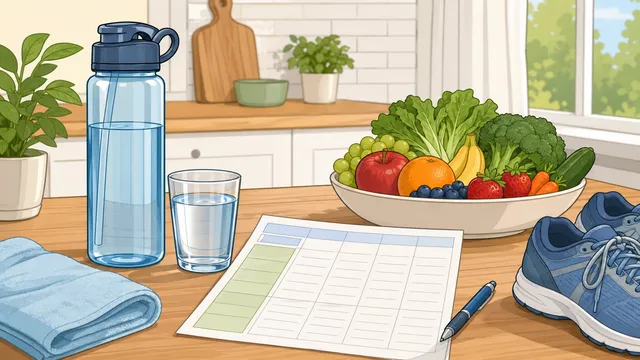
Water Intake Calculator
Estimate daily water intake from body weight, exercise time, sweat level, and climate, with total fluid, drink target, cups, ounces, pacing rows.
Health / Hydration
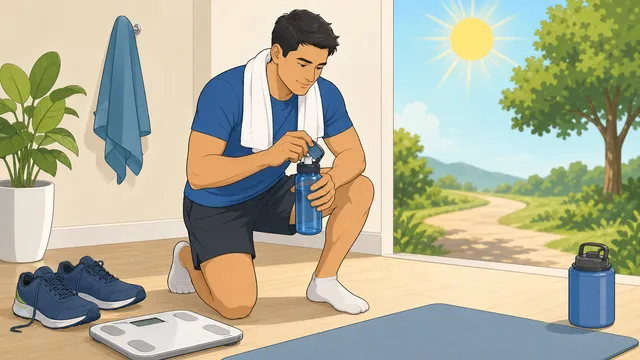
Hydration Calculator
Estimate daily hydration needs from body weight, wake time, exercise volume, climate, and sweat rate, with drink pacing, schedule rows, and safety cautions.
Health / Medical / Substance Use
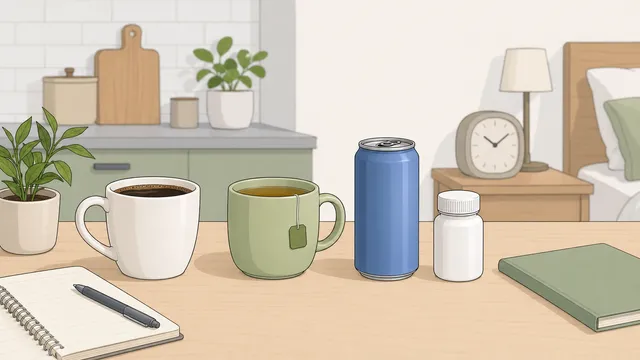
Caffeine Calculator
Use this caffeine calculator to total daily caffeine from coffee, tea, energy drinks, pills, and other sources, then estimate bedtime carryover.