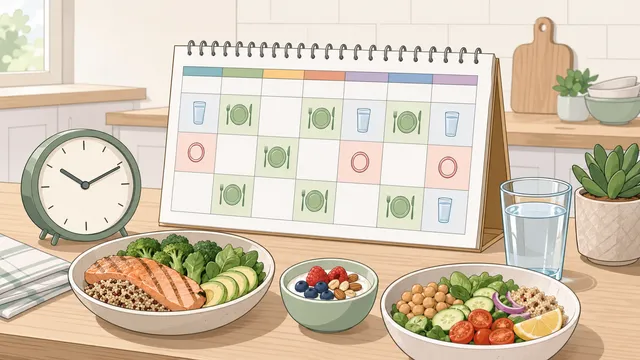
Plan how to break a fast safely before you start eating
This fasting refeed planner separates a normal break-fast from a true prolonged-fast refeed. Use it to map a sensible first meal, a 3-day or 5-day fast refeeding progression, or a higher-caution 7-day fast plan with clear warning signs.
Quick presets
Escalate caution if any apply
Result
Medical-caution refeed
This is a prolonged-fast refeed. Use a slow first day and treat symptoms as a medical warning, not a willpower issue.
Fast category
72 hour or longer fast
Refeed window
At least 24 to 48 hours of careful refeeding
First-day approach
Use small, repeated feedings or liquids first. A very large first meal is the wrong move after a 72-hour or longer fast.
Carb approach
Avoid leading with a large carbohydrate load. Start gentler and add more carbohydrate only as tolerance looks good.
Prolonged fasting refeeding caution This is prolonged fasting refeeding territory. Refeeding syndrome is uncommon after short fasts but becomes a real concern after 72+ hours, especially if you were underweight, unwell, or eating very little before the fast.When clinician-led refeeding is the safer move Clinician-led advice is strongly recommended before or during the refeed if you are underweight, medically unwell, using diabetes medication, or breaking a 72-hour or longer fast.
Staged refeed plan
1. Hour 0
Hydration-first phase
Replace fluid and prepare for food
Water, diluted electrolytes, broth, or oral rehydration solution before solid food.
2. Hour 1 to 3
Very small soft feed
Reintroduce calories carefully
Broth, yoghurt, soft fruit, oatmeal, or a small soup.
3. Hour 4 to 8
Small protein-inclusive meal
Build calories without a heavy carbohydrate surge
Eggs, fish, chicken, soft oats, rice, cooked vegetables, or yoghurt.
4. Day 2
Gradual return toward normal meals
Progress only if day one was well tolerated
A balanced meal with protein, cooked vegetables, and a moderate carbohydrate source.
Prioritise first
• Water, oral rehydration fluids, or diluted electrolytes before large food portions
• Soft, easy-to-chew foods that are easier on the gut than a heavy first meal
• A protein source once your stomach feels settled
• Smaller repeated feedings instead of one celebratory meal
• Soup, yoghurt, eggs, rice, oats, fruit, and cooked vegetables
Delay until later
• A huge first meal eaten quickly
• Alcohol immediately after the fast
• Very greasy, very spicy, or deep-fried foods as the first meal
• A large refined-carbohydrate hit such as sweets, soda, or a dessert-heavy meal
• Large fibre bombs, buffet-style eating, or a full cheat meal on day one
Hydration and monitoring
Start with hydration before heavy food. After a 72-hour or longer fast, gradual fluids and modest early portions are safer than a big first meal.
• Stop and slow down if nausea, cramping, or diarrhoea starts early in the refeed.
• Watch for unusual swelling, profound fatigue, or persistent weakness after eating.
• Seek urgent medical care for palpitations, shortness of breath, confusion, severe weakness, or swelling in the hands, feet, or face.
After the refeed:After a refeed following a 3- to 5-day fast, keep day two deliberate. Appetite can rebound harder than digestion can handle.
This planner is for education only and does not replace medical care. If you are underweight, medically unwell, have had very low recent intake, use insulin or diabetes medication, or are breaking a fast of 72 hours or more, use clinician-led advice instead of a generic online plan.
How to refeed after a water fast, 3-day fast, 5-day fast, or prolonged fast
A fasting refeed planner should do more than say "eat lightly." The real question is whether you are breaking a short fast normally, using a structured refeed after a 24- to 72-hour fast, or entering higher-risk prolonged fasting refeeding territory where the first day or two needs much more caution.
What this fasting refeed planner is actually for
Many pages about breaking a fast lump every duration together, which is not very useful. A normal break-fast after 16 or 20 hours is not the same task as refeeding after water fasting for several days. This calculator separates those situations so the advice changes when the risk really changes.
That matters because the main user intent here is practical, not theoretical. People searching for refeed after fast, fast refeeding, or fasting refeeding protocol usually want to know what to eat first, how fast to return to normal meals, and when the risk crosses from simple digestive discomfort into a problem that deserves medical input.
The difference between breaking a fast and prolonged fasting refeeding
Shorter fasts usually need pacing, hydration, and a sensible first meal. Prolonged fasting refeeding is different because the body may be more vulnerable to fluid and electrolyte shifts once food, especially carbohydrate, returns. That is why a responsible planner should not give identical advice for a 16-hour fast and a 7-day fast.
This page therefore separates normal break-fast guidance from structured refeed guidance and then from medical-caution refeed guidance. That structure mirrors the real planning question more closely than generic "best foods after fasting" articles.
Short fast: usually normal break-fast pacing
A short fast usually does not require a formal multi-stage refeeding protocol. The focus is on hydration, sensible food choice, and avoiding a binge response.
Longer fast: smaller repeated feedings before full meals
As fast duration rises, a staged first day becomes more useful because the digestive system and electrolyte balance may tolerate gradual intake better than a large first meal.
How to refeed after a 3 day fast
Refeeding after 3 day fast scenarios are where many people first need more structure. You usually do not need a hospital-style protocol, but a large celebratory meal can still backfire. A lighter starter, a small protein-inclusive meal later, and a balanced meal after that is often a better first day than jumping straight into restaurant-sized portions.
That is why the calculator treats a 72-hour refeed as a different planning case from a standard break-fast. It also reminds the user that rehydration before dense food is part of the answer, not an optional extra.
How to refeed after a 5 day fast
A refeed after 5 day fast is more cautious than a 3 day fast because the rebound from the first calories can be stronger and tolerance may be less predictable. The first day should be built around modest repeated feedings rather than one very large meal. Day two should still be deliberate rather than a free-for-all.
This is one reason the calculator shows a refeed window, a first-day approach, and foods to delay. Those details matter more than generic motivational fasting advice once the fast length pushes into multiple days.
Refeeding after 7 day fast or other prolonged fasts
Refeeding after 7 day fast or other prolonged fast situations deserves the strongest caution language on the page. This is not just about avoiding bloating. It is about avoiding a rapid return to normal eating when the person may be under-hydrated, under-fed, or at higher risk of electrolyte problems.
For that reason, the calculator escalates 7-day fast refeeding into a medical-caution category and pairs it with symptom monitoring rather than treating it like an ordinary diet tip. That distinction is one of the main ways the page is more useful than softer competitor articles.
Why a water fast refeed can need more caution
A refeed after water fast plan often needs more deliberate hydration and food progression because there may be little recent intake buffering the transition back to eating. If the user is also underweight, has had recent vomiting or diarrhoea, or uses insulin or diabetes medication, the page raises the caution level further.
That does not mean every water fast refeeding case is an emergency. It means the page treats risk factors honestly instead of pretending that all users can follow the same template.
What to eat first and what to delay
For most users, foods to prioritise first are fluids, softer foods, and modest protein once the stomach feels settled. Foods to delay are the ones most likely to create a hard rebound: huge first meals, alcohol, very greasy food, and, after longer fasts, a large refined-carbohydrate hit or dessert-heavy refeed.
This is also why the tool is more useful than a simple fasting note. It turns the idea of "eat gently" into a sequence that can actually be followed.
When this page stops being enough
An online fasting refeeding protocol is not enough when there is underweight status, very low recent intake, significant recent illness, vomiting, diarrhoea, or diabetes medication use. Those are not edge cases to bury in small print. They are the main situations where generic online advice becomes less safe.
The calculator therefore keeps a low threshold for medical escalation when symptoms such as swelling, palpitations, shortness of breath, confusion, or severe weakness appear after refeeding starts.
A refeed after water fast should usually start with hydration and a smaller first intake rather than a large meal. The longer the fast lasts, the more useful a staged first day becomes.
Do I need a formal refeeding protocol after a 24-hour fast?
Usually not. After a 24-hour fast, most people mainly need a sensible first meal, normal hydration, and restraint from overeating. A formal multi-day refeeding protocol is usually more relevant after longer fasts.
What is a sensible plan for refeeding after 3 day fast?
A typical refeeding after 3 day fast plan uses a lighter starter, then a small protein-inclusive meal, then a balanced meal later the same day. The goal is to avoid treating day one like a cheat meal.
How should I approach a refeed after 5 day fast?
A refeed after 5 day fast should be slower than a 3-day refeed. Smaller repeated feedings across the first day are usually more sensible than one large first meal, and day two should still be deliberate.
Why is refeeding after 7 day fast treated more seriously?
A 7-day fast sits much closer to prolonged fasting refeeding territory, where the risk of significant electrolyte and fluid shifts is more relevant. That is why the page escalates symptom awareness and recommends a lower threshold for medical input.
What foods are usually best to eat first after fasting?
Gentler foods and fluids usually make the best starting point: water, broth, soup, yoghurt, eggs, tofu, oats, rice, soft fruit, and well-cooked vegetables depending on diet style and fast length.
What foods should I delay after a prolonged fast?
Delay very large meals, alcohol, deep-fried foods, and, after longer fasts, a big refined-carbohydrate hit or dessert-heavy refeed. Those are common ways to turn the first meal into an unpleasant rebound.
When is refeeding syndrome a realistic concern?
Refeeding syndrome is mainly a concern in higher-risk situations such as prolonged fasting, very low recent intake, underweight status, or significant medical vulnerability. It is not the main issue after every short fast, but it becomes more important as duration and risk factors rise.
Should I exercise hard right after breaking a long fast?
Usually not. After a longer fast, the first priority is tolerating fluids and food again. Hard training can wait until the refeed is going smoothly.