Skip to content
Calcipedia
FODMAP Stacking Calculator instructional illustration

FODMAP Stacking Calculator

Use this FODMAP stacking calculator to judge low-FODMAP meal planning, green serves, stack-cup-style meal combinations, lactose-specific flags, portion size.

Last updated

FODMAP stacking calculator Use this FODMAP stacking calculator for low-FODMAP meal planning when you want to see whether several individually tolerated portions still combine into a higher IBS trigger load.

How the score works

Low = 0.5, medium = 1, high = 2 per reference portion.

When stacking becomes a concern

A category is flagged around 1.5 load, and multiple flagged categories can push a meal into a higher concern band.

Build your meal

Add foods to see cumulative load across the whole meal, not just each separate ingredient.

Example meals

Enter values Add foods above to see FODMAP stacking analysis and portion-size guidance.
← All Digestive Health calculators

Health — Digestive

FODMAP stacking calculator guide: low-FODMAP meal planning, portion size, and IBS triggers

A FODMAP stacking calculator, or more simply a low-FODMAP meal planner, helps answer a problem many people with IBS discover only after a few confusing meals: several foods that look low FODMAP on their own can still combine into a symptom-triggering total.

What is FODMAP stacking?

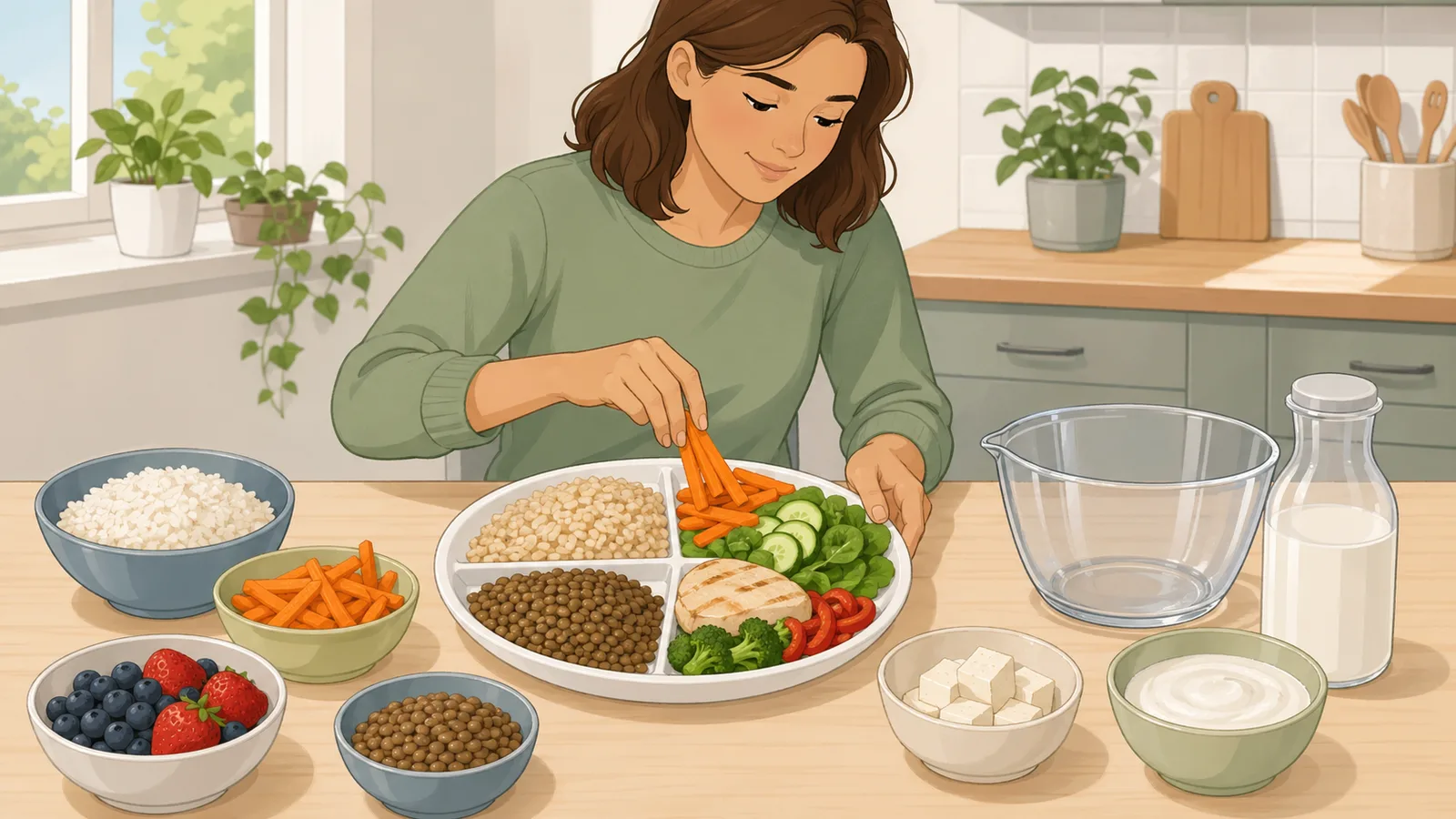
A single low-FODMAP serving of blueberries, a small portion of broccoli, and a half cup of lentils may each individually fall within tolerated limits, yet the combined meal can still create a larger total fermentable load than expected. That is the core idea behind FODMAP stacking: the meal matters, not just the isolated label on each ingredient.

This is why many people feel confused when they say they only ate low-FODMAP foods but still ended up bloated. The problem is often cumulative portion size or multiple fermentable foods arriving close together rather than one obvious high-FODMAP trigger.

Why portion size and timing matter so much

The low-FODMAP approach is portion dependent. A food may test as low FODMAP at one serving and become moderate or high as the portion increases. That is why serving sizes in the Monash system matter so much, and why doubling a tolerated food is not always a neutral move.

Meal timing matters too. Some people tolerate a modest FODMAP load well if meals are spaced out, but run into trouble when several snack-sized FODMAP exposures cluster into the same few hours. The calculator is therefore best used as a meal-planning and pattern-spotting tool, not as a verdict on any single ingredient.

The six FODMAP categories and how they stack

Fructans, GOS, lactose, excess fructose, sorbitol, and mannitol are the main FODMAP groups tracked in low-FODMAP resources. Some foods mainly affect one category, while others contribute to more than one. When people talk about FODMAP stacking, they may mean repeated exposure within the same category, combined exposure across several categories, or both.

In practical IBS meal planning, the most useful question is often not just "is this food allowed?" but "how many similar foods am I combining here, and what else have I eaten recently?" That is where a stacking view becomes more useful than a simple safe-or-unsafe food list.

What Monash means by green servings and stack cups

In Monash-style low-FODMAP guidance, a green serve is a reference portion that stays inside the lower-FODMAP range for that food. That does not mean the food becomes unlimited; it means the portion is usually less likely to tip a meal into a higher fermentable load on its own.

Monash's stack cup concept and other recipe-builder tools are both trying to solve the same real-world meal-planning problem: how to combine ingredients without accidentally building a meal that is more fermentable than it looks ingredient by ingredient.

How the calculator scores a mixed meal

Each food in the calculator is scored against a reference portion, then scaled by the number of servings you add. Low contributes 0.5 load, medium contributes 1 load, and high contributes 2 loads per reference portion. That makes a low-FODMAP meal planner more useful than a simple food list because it shows how quickly a few borderline foods can add up.

The calculator flags a category when the cumulative category total reaches a practical stacking threshold, then uses the total load and the number of flagged categories to decide whether the meal reads as low, medium, or high concern. That is a simplified educational model, not a clinical diagnosis or a direct Monash app replacement.

Category load = reference score × servings

Low foods contribute 0.5 per serving, medium foods contribute 1, and high foods contribute 2.

Category flag = category load ≥ 1.5

A category becomes worth watching when the cumulative load crosses the stacking threshold.

Overall concern rises when multiple categories are flagged or total load is high

This is what makes mixed meals and snack grazing harder to judge with a simple food list.

How the stack-cup guide and lactose note should be read

The live stack-cup guide is a practical translation of the same idea Monash uses in its Stack Cup education: a meal has a short-window FODMAP budget, and several individually low-FODMAP foods can fill that budget when eaten together. Calcipedia does not know the exact laboratory grams for every ingredient in your kitchen, so the percentage shown by the calculator is a conservative non-lactose load guide rather than a direct official gram total.

Lactose is shown separately because it behaves differently from the other FODMAP groups. If lactose is the main flag, the most useful next step is usually a lactose-free swap or a check of your own lactose tolerance, not assuming that every fructan, GOS, fructose, sorbitol, or mannitol exposure in the same meal has also stacked.

The 2-3 hour timing cue is there for meal planning, not for clock-watching perfection. It helps you avoid grazing on several borderline foods back to back, while still leaving room for normal meals, leftovers, and individual tolerance patterns.

How to build a lower-stack meal or day

The usual strategy is not to make every meal extremely restrictive. It is to keep portion sizes grounded, avoid piling several moderate-load foods into the same sitting, and use simpler swaps when you already know a meal is becoming crowded. Rice instead of wheat pasta, lactose-free dairy instead of regular milk, or one legume portion instead of several borderline foods can all reduce the total load.

A food and symptom diary helps here because tolerance is individual. Some people react most to fructans, others to lactose or polyols, and many notice that stress, speed of eating, or large mixed meals amplify the effect. The calculator can highlight likely load, but your own response pattern still matters.

If you use a recipe tool or meal planner, the smartest approach is usually to keep one or two anchor foods low-FODMAP, then check whether the rest of the plate adds too much of the same category. That is exactly the kind of meal-level combination problem the calculator is meant to make visible.

Free foods and buffer ingredients

Foods that contain no meaningful FODMAPs, such as plain meat, fish, eggs, rice, plain oils, and several low-FODMAP vegetables, are useful because they add volume and variety without adding much stacking pressure. They act as buffer foods when you need a meal to feel more complete without pushing the same category over its limit.

That does not mean every low-FODMAP or FODMAP-free food is symptom-proof. Fat, spice, portion size, and your own tolerance still matter, which is why the calculator is best used as one part of a wider symptom-tracking process rather than as a pass/fail label for the whole meal.

When a food is not listed yet

If a food is not in the calculator, that does not automatically make it safe. Use the official Monash database or another verified low-FODMAP reference before assuming that an unlisted ingredient contributes nothing.

The calculator works best as a transparent meal-level check for the foods you already know about. Untested or novel foods still need a proper label or app check before they can be treated as part of a low-FODMAP plan.

Using the calculator for meal prep and leftovers

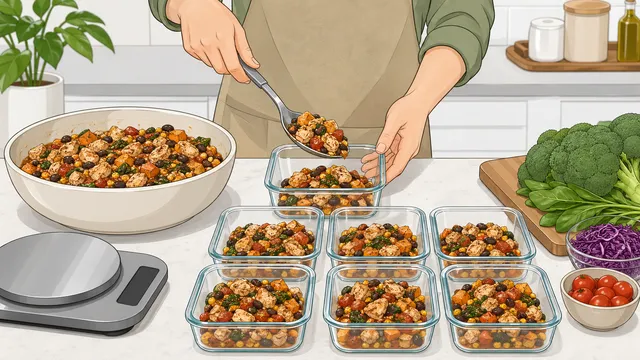
Meal prep is where stacking often shows up in real life. A lunch that looks fine on its own may become a different story once you add breakfast leftovers, a snack, or a second serving later in the day. The calculator is useful for checking those combinations before you commit to a full day of food.

If you batch-cook, the safest approach is usually to keep one or two core ingredients low FODMAP and rotate the riskier ingredients one at a time. That makes it easier to see whether the problem is a specific food, the overall portion size, or simply too many fermentable sources arriving close together.

  • Check the combined meal, not only the individual ingredient.
  • Treat leftovers as part of the same FODMAP picture if they are eaten in the same short window.
  • Use a smaller serving or a simpler swap when a meal is already close to a flagged category.

When to stop self-experimenting and get professional help

A low-FODMAP diet is meant to be a structured elimination, reintroduction, and personalisation process, not a permanent highly restricted way of eating. If symptoms remain severe, weight is dropping, eating has become anxious, or the list of "safe" foods is shrinking, it is time for clinician or dietitian support rather than more DIY restriction.

That is especially important if there are red-flag symptoms such as rectal bleeding, persistent vomiting, fever, unexplained weight loss, anaemia, or waking from sleep with symptoms. A public IBS meal calculator cannot rule out coeliac disease, inflammatory bowel disease, or other gastrointestinal pathology.

Frequently asked questions

Do low-FODMAP foods still stack if each portion is technically allowed?

Yes. That is the main reason people talk about FODMAP stacking in the first place. Several low-FODMAP portions in one meal or over a short period can still create a total fermentable load that exceeds your personal tolerance.

What does a green serve mean?

A green serve is a reference portion that usually sits in the lower-FODMAP range for that food. It is useful as a starting point, but several green serves combined in one meal can still create stacking pressure if they share the same FODMAP group.

What is the Monash stack cup?

The Monash stack cup is a visual way to think about how ingredients combine inside a meal. It helps people see that individual low-FODMAP servings can still add up when they are eaten together, even if each item looks fine on its own.

Why does the calculator separate lactose from the stack-cup guide?

Lactose is handled separately because lactose symptoms depend heavily on lactase activity and lactose tolerance. A lactose flag still matters, especially for someone who knows dairy triggers symptoms, but it should not automatically be read as the same kind of non-lactose stack as fructans, GOS, excess fructose, sorbitol, or mannitol.

Are there foods that do not stack?

Yes. Foods with no meaningful FODMAP content, such as plain meat, fish, eggs, rice, and many plain fats, are often used as buffer foods because they do not add much stacking pressure. They still sit inside the wider meal, though, so fat, spice, and total portion size can still matter.

Does cooking or draining reduce FODMAP load?

Some FODMAPs (particularly GOS in legumes) leach into cooking water during boiling. Draining and rinsing canned legumes reduces their FODMAP content. Fructans in garlic leach into water-based cooking but not oil-based cooking.

Does FODMAP stacking happen across one meal or the whole day?

It is most often a meal-level or short-window problem, which is why a recipe maker or meal planner is useful. Some people also notice same-day grazing matters, especially if several borderline foods are eaten close together, so the practical answer is to think about both the meal and the recent eating window.

Should I avoid all six FODMAP categories forever?

No. The low-FODMAP diet is normally a short elimination followed by structured reintroduction and long-term personalisation. The goal is to identify your own triggers, not to keep every FODMAP group low forever if that is unnecessary.

How far apart should meals or snacks be if stacking seems to be a problem?

There is no single universal spacing rule, but many people find that giving the gut a few hours between meaningful FODMAP exposures is more comfortable than grazing on several borderline foods back to back. A symptom diary helps you judge whether timing is part of your own pattern.

Can I use this for meal prep and leftovers?

Yes. That is one of the most useful ways to use a stacking calculator. A batch-cooked lunch or dinner can look low FODMAP on paper but still become a higher-load day once leftovers, snacks, and drinks are added together.

Should I use the Monash app or a FODMAP calculator first?

Use both if you can. The official app or database is better for checking whether a specific ingredient is low FODMAP at a given serve size, while this calculator is better at showing how several checked ingredients combine inside one meal.

Does the calculator replace the Monash app?

No. The calculator is a simplified educational guide that uses reference portions and load scoring to explain stacking. The Monash app remains the more detailed source for individual serving sizes and food-specific updates.

Should I use this during elimination or reintroduction?

It can help in both phases, but it is especially useful during elimination when you are trying to keep the combined meal load lower. During reintroduction, the same tool can help you isolate whether a symptom flare came from one food or from a crowded meal.

Why can a meal still feel symptom-triggering if every food looks low FODMAP?

Because tolerance is cumulative. Several low or medium servings can add up across the same meal or even across a short window of grazing, especially if the meal includes multiple FODMAP categories rather than one isolated ingredient.

Related

More from nearby categories

These related calculators come from the same leaf category, nearby sibling categories, or the same top-level topic.