
Portable
@averystone.live
Creator compact suffix
Plain
averystone.live
Length
15
Reuse
Portable
Generate clean username ideas and social handles from your name, niche, and platform style.
Last updated
Workflow presets
Instagram-style
Short, aesthetic, creator-friendly naming that still reads cleanly in profile lists.
Safe target length: 24 characters
12
Suggestions
24
Safe length budget
Dot
Separator style
Creator
Naming style
Active profile
Instagram-style with the creator style and . separator.
1 of 12 suggestions stay short enough to reuse comfortably across stricter handle surfaces.
Portable
@averystone.live
Creator compact suffix
Plain
averystone.live
Length
15
Reuse
Portable
Balanced
@averystone.live.46
Creator compact suffix with a short numeric ending
Plain
averystone.live.46
Length
18
Reuse
Profile-fit
Balanced
@averystone.live.268
Creator compact suffix with a short numeric ending
Plain
averystone.live.268
Length
19
Reuse
Profile-fit
Balanced
@averystone.live.96
Creator compact suffix with a short numeric ending
Plain
averystone.live.96
Length
18
Reuse
Profile-fit
Balanced
@avery.stone.media
Full-name anchor with style suffix
Plain
avery.stone.media
Length
17
Reuse
Profile-fit
Balanced
@avery.stone.media.58
Full-name anchor with style suffix with a short numeric ending
Plain
avery.stone.media.58
Length
20
Reuse
Profile-fit
Platform-fit
@avery.stone.media.949
Full-name anchor with style suffix with a short numeric ending
Plain
avery.stone.media.949
Length
21
Reuse
Profile-fit
Balanced
@avery.stone.media.76
Full-name anchor with style suffix with a short numeric ending
Plain
avery.stone.media.76
Length
20
Reuse
Profile-fit
Balanced
@avery.stone.clips
Full-name anchor with style suffix
Plain
avery.stone.clips
Length
17
Reuse
Profile-fit
Balanced
@avery.stone.clips.89
Full-name anchor with style suffix with a short numeric ending
Plain
avery.stone.clips.89
Length
20
Reuse
Profile-fit
Platform-fit
@avery.stone.clips.697
Full-name anchor with style suffix with a short numeric ending
Plain
avery.stone.clips.697
Length
21
Reuse
Profile-fit
Balanced
@avery.stone.clips.64
Full-name anchor with style suffix with a short numeric ending
Plain
avery.stone.clips.64
Length
20
Reuse
Profile-fit
@, normalizes spacing, and warns about noisy separators or personal-looking year markers.Username Basics
A username generator helps when you need a handle that sounds like you, fits the surface where you plan to use it, and does not collapse into random noise.
A strong username generator should do more than print a pile of random strings. The real job is to help someone move from a name, brand, topic, or persona to a shortlist of handles that feel usable in public. That means the suggestions have to be readable, reasonably short, easy to say out loud, and flexible enough to work on the platforms people actually care about.
That is why this page focuses on conservative handle planning rather than opaque randomness. A username or social handle is usually part identity, part branding, and part formatting problem. The best answer is not the noisiest string. It is the cleanest name that still has enough room for variation when the obvious version is already taken.
Random IDs, invite codes, session tokens, and usernames solve different problems. A random ID generator is designed around unpredictability, entropy, and collision planning. A username generator is designed around memorability, tone, and public readability. The overlap is smaller than it looks.
That distinction matters because many public tools blur the two ideas and end up weak at both. If a handle idea looks like a machine token, it is hard to remember and awkward to share. If a security token looks like a social handle, it is too predictable and too easy to correlate. This page stays on the handle side of that boundary.
Public handle tools often promise platform-ready suggestions without showing what that means. In practice, the useful question is not whether a generator can claim broad coverage, but whether the suggested handle stays inside a conservative naming envelope for the chosen surface. Shorter lengths, quieter separators, and lowercase normalization usually travel better.
This page therefore uses platform profiles as planning aids. They are not live policy validators or availability checks. Instead, they help shape the suggestion list around a conservative length target and separator style so the output is more likely to remain reusable across a real account setup flow.
Dots, underscores, and hyphens can improve readability when a name has more than one part. A handle like `@avery.studio` is easier to scan than a cramped run of letters, especially when someone sees it in a bio or a mention list. But separators also create one more thing to remember, and some stricter surfaces reward shorter no-separator handles.
Numbers are similar. A short numeric ending can open up extra variation when the clean version is already taken, but the best numeric endings are short and non-personal. Using a real birth year makes the handle easier to correlate across accounts and often weaker as a public identity choice. That is why this page supports short numeric endings but flags year-like patterns during validation.
If you want one handle to work across several platforms, the safest strategy is usually restraint rather than cleverness. Shorter length, lowercase letters, and limited separator use keep the same base identity more portable. The more decorative the handle becomes, the more likely it is that one service or another forces you into a different version.
That is also why a good username generator should not hide the handle length. The difference between a 13-character name and a 23-character name is practical, not cosmetic. Shorter handles are easier to type, easier to say, and easier to keep consistent when you need the same profile name for a creator page, a code account, and a community space.
A username may be public, but that does not mean it should expose more about you than necessary. Full legal names, birth years, graduation years, or location clues can make cross-account correlation easier than many people expect. That risk is small for some use cases and much more important for others, but it should be visible on the page rather than left unsaid.
That is why the validator here does not just check structure. It also calls out year-like numeric endings and reminds you that a public handle is part of your discoverability footprint. The right choice depends on whether you want one obvious identity everywhere or a cleaner boundary between work, creator, and private accounts.
Suppose your name is Avery Stone and you post travel photography. A weak tool might give you a random list of noisy strings or generic AI suggestions without any clue why they look the way they do. A stronger workflow starts with your name, adds one or two niche words such as travel or photo, picks an Instagram-style profile, and then tests whether a dot, underscore, or no separator makes the handle more readable.
That process might produce handles such as `@avery.photo`, `@stone.travel`, or `@averystone.studio`. The important point is not that one of those is universally best. It is that the shortlist is coherent, human-readable, and easy to adapt if the exact first-choice handle is already taken.
The strongest public competitors usually do one or two jobs well. Some are good at keyword-driven ideation, some are good at AI-style prompt expansion, and some are good at producing a high number of suggestions quickly. The common gaps are transparency and cleanup. Many tools do not show why one handle is more portable than another, do not separate safe-profile planning from live availability, and do not help you normalize a pasted handle back into a cleaner form.
This page closes those gaps directly. It generates shortlists from a name plus keywords, keeps the selected platform profile visible, shows conservative safe-length targets, supports separator and numeric-ending tradeoffs, and includes a validator that normalizes pasted handles instead of leaving cleanup to guesswork.
Further reading
Frequently asked questions
A good handle is short enough to remember, clear enough to read quickly, and specific enough to feel like you or your brand. It should not look like a random machine token unless anonymity is the whole point.
Only if you want one obvious public identity across platforms. For brand consistency that can be useful. For privacy or boundary-setting, different handles for different contexts may be the better choice.
They can improve readability, especially when a name has multiple words, but they also add one more detail people must remember. A no-separator version is often more portable, while a separated version can be easier to scan.
A birth-year-like suffix can make a handle easier to correlate with other accounts and more revealing than necessary. It can still be your deliberate choice, but it should be a conscious choice rather than a default filler.
No. It is a handle-planning and normalization tool. Final availability still depends on the destination service and whatever names are already taken when you register the account.
Yes, if discoverability is the goal. If privacy matters more, a shortened name, nickname, project name, or topic-based alias can create a cleaner public boundary.
Creator handles usually tolerate a bit more flair, media language, or platform-style wording. Professional handles tend to work better when they stay shorter, quieter, and easier to reuse in work-facing settings.
Because many people already have a first-choice handle in mind and need to clean it up. Normalization helps show whether the idea still works once spaces, uppercase letters, repeated separators, or extra symbols are removed.
Also in Identifiers
Related
These related calculators come from the same leaf category, nearby sibling categories, or the same top-level topic.
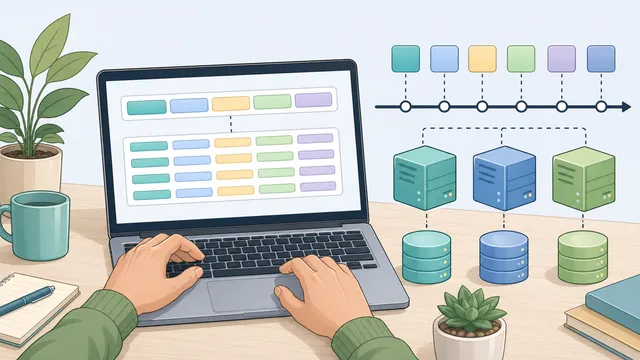
Generate UUID v1-v8, ULID, Nano ID, ObjectId, KSUID, CUID, TypeID, XID, Firebase push ID, Snowflake, short UUID alternatives, worker ID-style, machine ID-style.
Plan worker IDs and shard IDs inside a Snowflake-style lane pool, size the bit split from real capacity needs, pack example lane values.
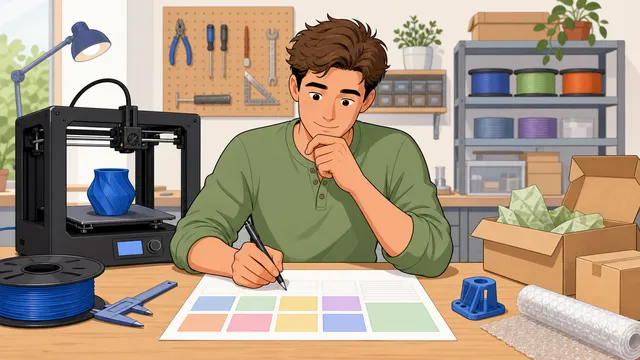
Estimate 3D printing cost and quote price from filament, waste, failed-print risk, electricity, machine wear, labour, packaging, platform fees, markup, profit.
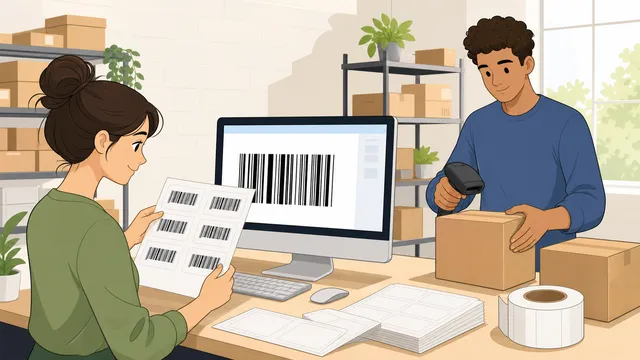
Create a free barcode online for Code 128, UPC-A, EAN-13, EAN-8, Code 39, or ITF-14 with client-side generation, check digit validation, SVG and PNG download.