Skip to content
Calcipedia
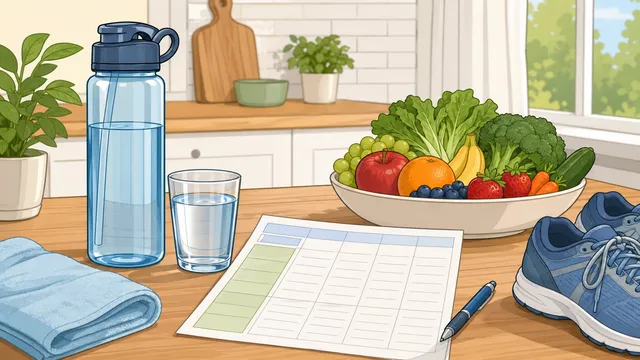
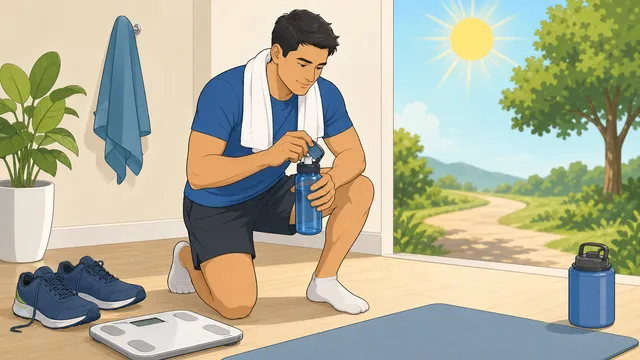
Electrolyte Needs Calculator instructional illustration

Electrolyte Needs Calculator

Estimate practical sodium, potassium, magnesium, fluid pacing, and recovery needs from sex, activity, heat, diet style, and estimated or measured sweat rate.

Last updated

Electrolyte needs calculator Estimate when normal meals are enough, when a sports drink makes sense, and how much sodium usually matters more than potassium or magnesium after sweat-heavy sessions. This page separates everyday baseline needs from training-day electrolyte planning.

Your setup

Build a practical sodium, potassium, and magnesium plan

Use the presets if you want a quick start, then adjust heat, sweat rate, and diet style to see whether this looks like a food-first day or a session that deserves a more deliberate electrolyte plan.

Quick starts

Sweat-rate method

Use the quick estimate for everyday planning, or switch to a measured sweat rate if you have done a weigh-in, weigh-out sweat test.

What this planner is trying to solve

Daily potassium and magnesium are usually food-pattern questions. Training-day sodium is the part that shifts fastest with heat and sweat. That is why the result below shows a baseline intake context, an exercise sodium target per hour, and a bottle-strength range instead of pretending every electrolyte behaves the same way.

Result

Everyday baseline plus training-day sodium guidance

This looks like a middle-ground training day. Sodium matters more than magnesium pills, but you probably do not need an aggressive race-style plan.

What likely fits today A normal meal plus a salty snack, broth, or a standard sports drink is usually enough if you finish the session feeling flat or you have another workout later.
Training-day sodium
1,700-2,575 mg
Baseline context plus session planning. This is not meant to be an every-day minimum.
During-exercise sodium
200-275 mg/hr
Useful when a session is long, hot, or salty enough that plain water is no longer doing the whole job.
Bottle strength target
250-400 mg
Per 500 mL bottle, which is about 500-800 mg/L.
Estimated sweat losses
675 mg Na
About 145 mg potassium across the full session.
Sweat and fluid pace
0.8 L/hr
Drink target starts around 0.8 L/hr, then adjusts for thirst and gut tolerance.
Post-session recovery
1.2 L
Approximate fluid target after this setup, with 350-675 mg sodium spread through drinks or food.
Baseline potassium
3,000-3,400 mg
Usually better solved with food quality than with a sports drink.
Baseline magnesium
400-420 mg
Magnesium still matters, but it is rarely the main limiter in a one-session hydration problem.

Sodium-first options

  • broth or soup
  • salted rice or potatoes
  • pretzels, bread, or a sports drink

Potassium foods

  • potatoes
  • beans or yogurt
  • banana or orange juice

Magnesium foods

  • pumpkin seeds
  • nuts or seeds
  • oats or leafy greens

How to read the sodium numbers

The baseline sodium range reflects broad adult intake context, not a prescription to salt every meal. The session target is the practical part: it helps you decide whether this looks like a plain-water workout, a salty snack day, or a stronger bottle-and-recovery plan.

Fluid and electrolyte timing

Your planned fluid pace is close to the estimated sweat rate, so the sodium plan and gut tolerance become the main practical checks.

MomentFluid cueElectrolyte cue
BeforeStart normally hydrated rather than forcing extra water.Use normal meals unless this is a long, hot, or repeat-session day.
DuringAim near 0.8 L/hr if tolerated.Plan around 200-275 mg sodium/hr when sodium is needed.
AfterReplace roughly 1.2 L over recovery rather than all at once.Use salty food, broth, or an electrolyte drink to cover about 350-675 mg sodium if the session was meaningfully sweaty.

Measured-sweat context: total sweat loss is about 0.8 L, or 1.1% of the body weight entered.

Medical caution These are general planning estimates for healthy adults. People with kidney disease, heart failure, blood-pressure treatment, diuretic use, or clinician-advised salt restriction should use clinician-led targets instead of a generic electrolyte calculator.
← All Hydration calculators

Health — Hydration

Electrolyte needs calculator guide: how much sodium, potassium, and magnesium you need

An electrolyte needs calculator helps turn sweat loss, exercise load, heat, and everyday diet into a practical estimate of how much sodium, potassium, and magnesium you may need.

What electrolyte needs usually mean in practice

Electrolytes help regulate fluid balance, nerve signaling, and muscle contraction. In everyday nutrition, sodium, potassium, and magnesium often get the most attention because they influence how people feel during heat, exercise, and dehydration-prone situations.

For active adults, sodium is usually the electrolyte most likely to change meaningfully with sweat loss. Potassium and magnesium still matter, but they are more often discussed in the context of habitual diet quality than in rapid sweat-replacement calculations. For many shorter workouts, water plus normal meals is enough.

When heat, sweat, and long sessions change the answer

When people talk about needing “electrolytes,” they often mean sodium. That is because sodium losses in sweat can become meaningful during long sessions, hot conditions, heavy sweaters, or repeated bouts of training. Replacing large fluid losses with plain water alone can sometimes make symptoms feel worse rather than better.

That does not mean everyone needs an electrolyte drink for every short session. In many everyday workouts, fluid intake and normal meals are enough. The main value of an electrolyte-needs page is helping users recognise when the context is hotter, longer, sweatier, or more repetitive than usual.

Separate everyday intake from workout replacement

This is the distinction many generic electrolyte calculator pages miss. Potassium and magnesium usually behave like broad daily nutrition targets. Sodium can behave that way too in routine life, but it also has a second job in training: it is the electrolyte most likely to need a temporary session-specific plan when sweat losses climb.

That is why a useful electrolyte replacement calculator should not only show one total number. It should help users separate baseline intake context from during-exercise sodium planning, bottle concentration, and recovery choices such as broth, salty meals, or a standard sports drink.

When an electrolyte drink is actually worth it

For short, cool, lower-sweat sessions, water plus ordinary meals is often enough. A deliberate electrolyte drink becomes more useful when the work is long, the weather is hot, the sweat rate is high, the athlete has another session later, or the person repeatedly finishes depleted with salt marks on clothing, headache, or poor tolerance of plain water.

A better question than do I need electrolytes is usually what problem am I trying to solve. If the issue is a routine everyday diet gap, a better food pattern matters more than a packet. If the issue is a long hot session, sodium concentration per bottle and total fluid plan become more useful than chasing extra magnesium tablets.

How to use a bottle target without overcomplicating it

Many athletes and workers do better when they think in bottle strength rather than in abstract daily totals. A range such as 500 to 800 mg sodium per liter can be turned into a simple per-bottle plan, which is easier to test in training than trying to remember a large daily sodium number while moving.

This still needs common sense. A bottle target is not an order to replace every milligram lost in sweat, and it is not permission to ignore thirst, gut tolerance, or how much you are actually drinking. The point is to avoid the two common errors: assuming every session needs nothing but water, or assuming every hard day needs an extreme sodium load.

How a measured sweat rate improves the answer

Competitor electrolyte replacement calculators often ask directly for sweat rate in liters per hour because sweat volume is the bridge between a general electrolyte needs calculator and a more personal sodium replacement calculator. If you have weighed yourself before and after a representative session, the measured-sweat-rate mode can use that value instead of relying only on light, average, or heavy sweater categories.

The measured mode still needs judgment. Sweat rate changes with heat, humidity, intensity, clothing, acclimatisation, and body size, while sweat sodium concentration varies even more. A measured result is therefore best treated as a repeatable training-day planning anchor, not as a permanent daily electrolyte prescription.

  • Use a quick estimate when you only need an everyday food-versus-drink answer.
  • Use measured sweat rate when you know roughly how many liters per hour you lose in similar conditions.
  • Enter body weight when you want the calculator to show the estimated percentage of body mass lost through sweat.
  • Enter planned drink pace when you want to compare your bottle plan with the estimated sweat rate.

Fluid replacement without over-drinking

Fluid and sodium decisions belong together. Replacing every drop during exercise is often unrealistic, and forcing fluid beyond sweat losses can be dangerous during long events. A practical plan usually sets a drink pace that your stomach tolerates during the session, then uses recovery fluid and sodium-containing foods or drinks afterward.

That is why the calculator shows a during-exercise fluid pace, a recovery fluid target, and a warning when the plan implies either a large body-mass deficit or a drink pace well above the estimated sweat rate. The goal is not to scare users away from hydration; it is to avoid the two extremes of under-replacing hard hot sessions and over-drinking plain water.

Worked example: measured sweat rate and recovery plan

Suppose a 70 kg runner has measured sweat rate near 1.4 L/hr and plans a two-hour warm-weather session. Total sweat loss would be about 2.8 L. That is close to 4% of body mass before accounting for fluid consumed, so the calculator treats it as a scenario that deserves deliberate recovery planning.

If the sodium concentration setting is average, the estimated sodium loss is roughly 1,800 mg across the full session. The during-exercise sodium range may be lower than total loss because most people do not need or tolerate replacing every milligram while moving. The post-session view therefore matters: a recovery target near 4.2 L spread over time, with sodium from food, broth, or an electrolyte drink, is more practical than trying to solve the whole session with plain water.

Sweat volume = sweat rate × exercise hours

Measured sweat rate converts the session into an estimated total fluid loss.

Recovery fluid target ≈ sweat volume × 1.5

The recovery target allows for continued urine losses after exercise rather than assuming 1:1 fluid replacement is enough.

Estimated sodium loss = sweat volume × sodium concentration

The calculator uses the selected sweat sodium category to turn fluid loss into a sodium planning range.

Food first, supplements second

For most people, potassium and magnesium are better thought of as day-to-day nutrient adequacy problems rather than emergency sweat-replacement problems. Food patterns that include vegetables, dairy, beans, nuts, seeds, and other minimally processed foods usually do more for those minerals than an isolated supplement guess.

Sodium is the exception because sweat, heat, and endurance training can shift needs more quickly. That is why a good electrolyte calculator should help users decide whether normal meals are enough, whether a sports drink or broth makes sense, or whether a more cautious medical conversation is needed.

Why this page is not a medical sodium prescription

This kind of calculator is useful for practical awareness, but it has obvious limits. Blood pressure treatment, kidney disease, heart failure, diuretic use, and clinician-advised salt restriction can all change what is appropriate. In those situations, a generic electrolyte estimate should not override medical advice.

The result is therefore best treated as a planning range for generally healthy adults in exercise and hydration contexts, not as a diagnosis or treatment plan. It should also not be confused with hospital-style electrolyte repletion tools that respond to blood sodium, potassium, or magnesium results. This page is about practical intake planning, not clinical correction.

Frequently asked questions

How much sodium do I need if I sweat a lot?

It depends on sweat rate, workout length, heat, and how much sodium you are already getting from food. Short sessions often do not need a special drink, but long, hot, or repetitive sessions are more likely to benefit from planned sodium replacement.

Do potassium and magnesium change as much as sodium?

Usually not. Sodium is the electrolyte most likely to change quickly with sweat losses, while potassium and magnesium are more often about overall diet quality and regular intake across the day.

Can low sodium make training feel worse?

It can contribute to symptoms such as fatigue, headache, dizziness, and poor tolerance of prolonged exercise, especially if large sweat losses are replaced with plain water alone. But symptoms are not specific, so a calculator result should not be treated as a diagnosis.

Who should not use a generic electrolyte target blindly?

People with kidney disease, heart failure, hypertension under treatment, salt restriction advice, or medications that affect fluid balance should not rely on a generic electrolyte estimate without more individual medical context.

Do I need an electrolyte drink for a one-hour workout?

Usually not if the session is moderate, the weather is not especially hot, and your normal meals are adequate. The case becomes stronger when the hour is very hot, very sweaty, or part of a double-session day where recovery speed matters.

Is sodium the main electrolyte to plan during exercise?

Usually yes. Potassium and magnesium still matter for overall diet quality, but sodium is the electrolyte most likely to shift quickly enough with sweat losses that a bottle-strength or recovery plan becomes useful during harder training.

Can a vegan or vegetarian diet still cover electrolyte needs well?

Yes, but the strategy can look different. Potassium and magnesium can come from beans, potatoes, soy foods, nuts, seeds, and greens, while sodium is often handled with salted meals, broth-style products, or a measured sports drink when sweat losses are high.

How do I measure sweat rate for this electrolyte calculator?

A practical sweat test weighs you before and after a representative session, records fluid consumed, and converts the net loss into liters per hour. Repeating the test in similar heat and intensity gives a better planning value than one unusual workout.

Why does the calculator show a recovery fluid target?

Fluid replacement after a sweaty session is not always a simple 1:1 refill because urine losses can continue during recovery. The calculator uses a recovery target so users think about replacing fluid over time with sodium-containing food or drink rather than chugging plain water.

Can I drink too much water while using electrolytes?

Yes. Sodium can reduce the fall in blood sodium, but it does not make over-drinking safe. During long sessions, avoid forcing fluid beyond thirst, sweat losses, and gut comfort, and seek medical help for confusion, severe headache, vomiting, swelling, or worsening symptoms.

Is this the same as a clinical electrolyte replacement calculator?

No. This page estimates intake planning for healthy adults in hydration and exercise contexts. Clinical electrolyte replacement uses blood tests, symptoms, kidney function, medications, and clinician protocols; those decisions should not be replaced by a public calculator.


Also in Hydration

Related

More from nearby categories

These related calculators come from the same leaf category, nearby sibling categories, or the same top-level topic.