How accurate is weight-based sweat loss measurement?
It is one of the most practical field methods available, but it is still an estimate. Accuracy depends on using similar weighing conditions, accounting for drinks consumed, and remembering that urination, food intake, and clothing differences can distort the result.
Should I include urine if I went during the workout?
Yes if you can estimate it reasonably. A bathroom break during the session changes the scale reading, so leaving it out can overstate sweat loss and make the resulting drink plan too aggressive.
Should I include electrolytes in rehydration?
Often yes for longer, hotter, or heavier-sweat sessions. Water alone is often fine for short, moderate exercise, but repeated or prolonged sweat losses increase the importance of sodium as well as fluid.
Does every kilogram lost always equal one litre of sweat?
It is a useful rule of thumb, but not a perfect one. Short-term weight change during exercise mainly reflects fluid, yet urine loss, food intake, and measurement conditions can move the estimate away from true sweat loss.
Who should not rely on this page alone?
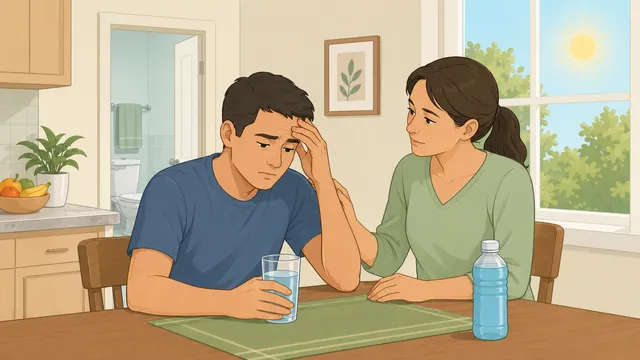
People with heat illness, vomiting, diarrhoea, kidney disease, heart failure, fluid restrictions, or severe dehydration symptoms should not rely on a generic rehydration estimate alone. Medical guidance matters more in those situations.
How do I calculate sweat rate from my workout?
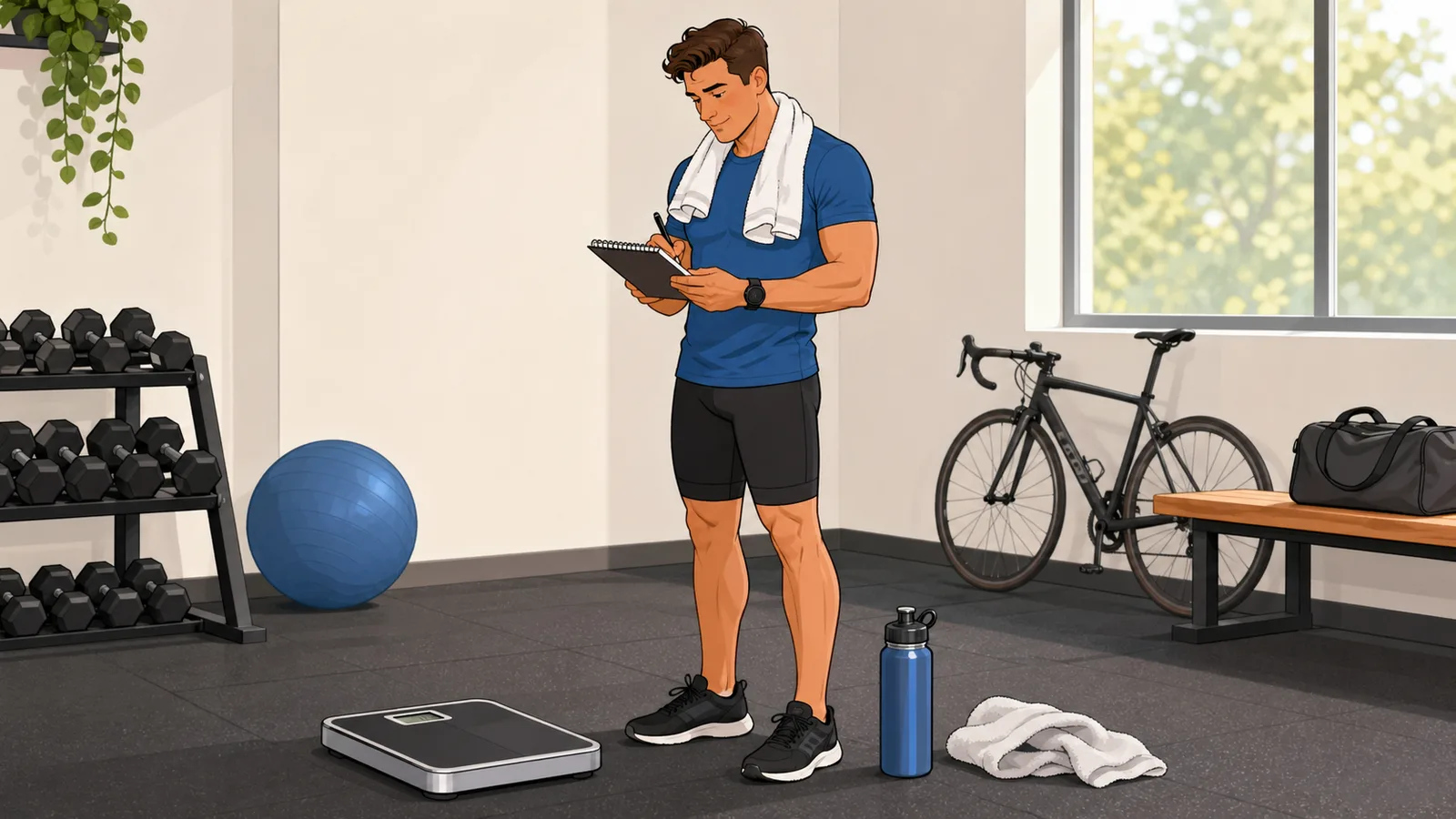
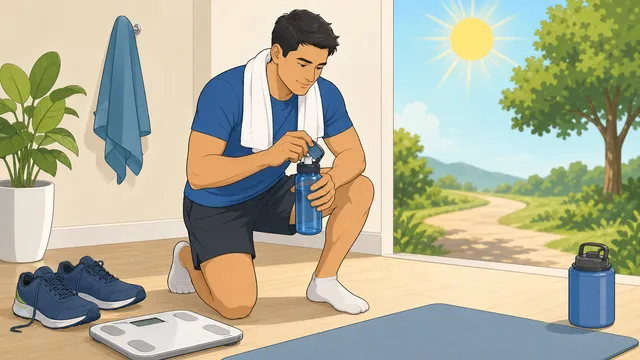
Weigh yourself before and after the session under similar conditions, subtract the post-workout weight from the pre-workout weight, add back any fluid you drank during the session, and divide the total fluid loss by the session length in hours. That gives you an hourly sweat-rate estimate you can compare across future workouts.
How much should I drink after exercise?
A practical rule is to replace about 125% to 150% of the estimated fluid loss over the next few hours rather than forcing the exact loss back at once. That extra margin helps account for ongoing urine losses after exercise and is especially useful after longer or hotter sessions.
How much should I sip every 15 minutes during exercise?
Start by splitting your hourly sweat-rate target into four smaller drinks. That turns the plan into a more realistic 15-minute pace and makes it easier to judge whether the target feels manageable in your stomach.
Can I replace all sweat losses during exercise?
Sometimes, but not always. Moderate sweat rates can often be matched closely, while heavier sweat rates may exceed what feels comfortable or practical to absorb during the workout. In those sessions the goal is to minimise the gap during exercise and finish rehydration after the session.
What if my weight goes up after a workout?
That usually means the weigh-in conditions need a second look. Overdrinking, food intake, clothing differences, and scale noise can all push the post-session number above the pre-session number. The calculator can still be useful, but you should repeat the test under tighter conditions before treating it as a clean sweat-rate baseline.
Does sweat loss mean I am dehydrated?
Not automatically. Sweat loss is an estimate of fluid lost during the session, while dehydration is a broader body-water state that also depends on how much you drank, how much you retained, and your wider health context. The calculator helps with planning, but it does not diagnose dehydration.
Should I use water or an electrolyte drink?
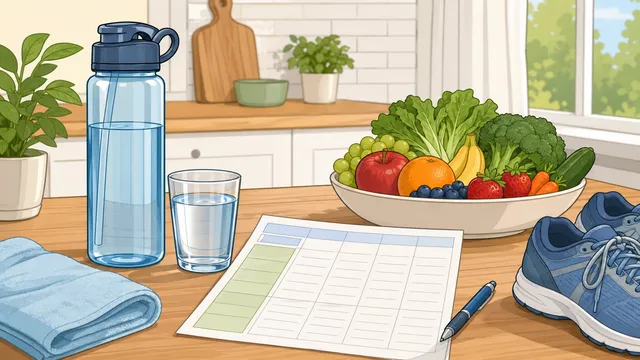
Water is often enough for shorter or moderate sessions. Longer, hotter, saltier, or repeated sessions usually make sodium more important, so an electrolyte drink or salty food can be more practical. The bigger the sweat loss, the more useful sodium becomes alongside fluid.
Why does hot weather change sweat rate?
Heat raises body temperature and usually increases sweating, which is the body’s main way to shed heat during exercise. That means the same workout can produce a very different sweat-rate estimate in cool weather versus hot weather, even if the pace feels similar.
Is 2% body-mass loss a big deal?
A loss around 2% of starting body mass is a common practical threshold for paying attention because it can start to matter for comfort, performance, and recovery. It is not a diagnosis by itself, but it is a good point to review whether your usual hydration plan is keeping pace with your sweat loss.
How often should I repeat a sweat test?
Repeat it whenever the conditions change in a meaningful way: hot weather, colder weather, a longer event, a harder session, or a new route. The best baseline comes from several similar tests rather than one single workout.
Can this calculator tell me my exact sweat sodium loss?
No. It estimates fluid loss and sweat rate, not sodium concentration. If you want to know how salty your sweat is, you would need a more specialised test or a sports-dietitian approach that looks beyond body-weight change alone.