Skip to content
Calcipedia
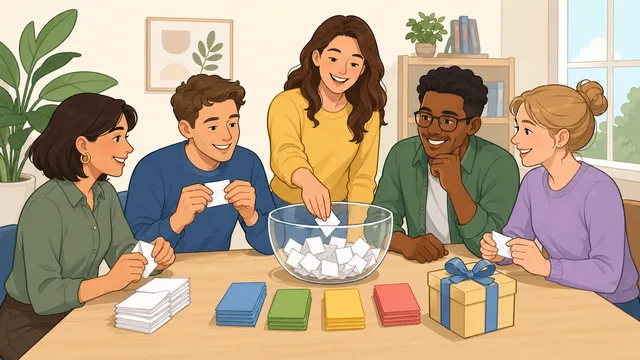
Random Generator instructional illustration

Random Generator

Use this random generator to pick lucky numbers, roll dice, create lottery quick picks, choose list winners, flip coins.

Last updated

Choose the random generator mode that matches the decision: numbers, dice, lottery quick picks, list winners, coin flips, or yes/no answers. The outputs are useful for informal fair selection, games, classroom picks, raffles, and sweepstakes; they are not gambling predictions or certified public draw records.

Pick random whole numbers from any inclusive range, with no-repeat and sorting options.

Result

7

Generated 6 unique numbers from 1 to 100.

Generate again for a fresh independent result.

7933516575
Range size
100
Count
6
Duplicates
0
Fair-randomness caveat Browser random values are appropriate for everyday fair selection, but this page does not create a certified audit trail, replace legal draw procedures, or make future random events predictable.
← All Novelty calculators

Random Selection

Random generator for numbers, dice, lottery picks, lists, coins, and yes-or-no decisions

A random generator helps you make a fair informal selection without reaching for separate tools for every small decision. Use this page as a random number generator, dice roller, lottery number generator, sweepstake winner picker, coin flip calculator, or yes-or-no generator when you need a quick result and clear caveats in one place.

What this random generator combines

Most random generator searches are broad: the user may want to pick a lucky number, roll dice for a tabletop game, generate lottery quick picks, choose a winner from a pasted list, flip a coin, or get a yes-or-no answer. This master page keeps those everyday randomizer jobs together while the narrower calculators continue to serve deeper single-purpose searches.

The number mode supports inclusive whole-number ranges, no-repeat selection, sorted output, and lucky-number style presets. The dice roller mode supports common polyhedral dice from d2 through d100 with an optional modifier. The lottery mode creates quick-pick lines for common formats or a custom pool, while the list picker covers sweepstake, raffle, classroom, team, prize, and task selection.

The coin and yes-or-no modes are intentionally simple because their user intent is speed. They are useful for breaking ties and lightweight choices, but the page still labels the result as an informal random selection rather than a legal draw, gambling strategy, or prediction tool.

How the fair-selection methods work

The shared idea is uniform random selection from a defined set of possible outcomes. A number draw maps random integer output into the requested inclusive range. A die roll maps the output to one of the die faces. A coin flip maps the output to heads or tails. A yes-or-no answer maps the output to the selected answer list.

No-repeat modes change the draw method. Instead of returning every selected item to the pool after each draw, the generator removes a selected number or list item from the remaining pool before the next pick. That is why no-repeat number draws and sweepstake winner picks cannot request more winners than the available range or list size.

Lottery quick-pick mode is still random selection, not forecasting. It generates valid lines inside the selected ball pools and reports the size of the jackpot combination space, but it does not use previous results, hot numbers, cold numbers, or AI prediction claims.

Inclusive range size = maximum - minimum + 1

This is the number of possible whole-number outcomes available to the random number generator mode.

Fair die average = (faces + 1) / 2

A fair die has each face equally likely, so a d6 has a theoretical average of 3.5 and a d20 has a theoretical average of 10.5.

Lottery combinations = C(main max, main picks) × C(bonus max, bonus picks)

The lottery mode uses combinations because the selected set of balls matters, not the order they were generated for display.

No-repeat limit: requested picks ≤ available outcomes

Without replacement, the generator cannot pick more unique winners, numbers, or entries than the pool contains.

When to use each random generator mode

Use the random number mode when the outcome is already represented by a number: numbered raffle tickets, classroom order, practice examples, lucky numbers, or a simple random integer between two bounds. Turn on no repeats when every number corresponds to one distinct person, ticket, or slot.

Use the dice roller for tabletop RPGs, board games, probability demonstrations, and quick game decisions. A modifier is useful when the rule is written as something like 2d6+3, but the individual rolls remain visible so the result can be checked.

Use the lottery number generator when the task is specifically quick-pick lines. The custom format is helpful for local games, pick-style draws, and unsupported pools, but official rules should still be checked before any real ticket entry. Random quick picks avoid manual bias; they do not improve the odds of winning.

Use the sweepstake winner picker when the input is a pasted list of names, teams, prizes, tasks, or entries. The result is easier to explain when the list is final before the draw, duplicate names are intentional, and the copied output is shared immediately after the pick.

  • Dice roller anchor: /calculators/random-generator/#dice-roller
  • Lucky number generator anchor: /calculators/random-generator/#lucky-number-generator
  • Lottery number generator anchor: /calculators/random-generator/#lottery-number-generator
  • Sweepstake winner picker anchor: /calculators/random-generator/#sweepstake-winner-picker
  • Coin flip calculator anchor: /calculators/random-generator/#coin-flip-calculator
  • Yes-or-no calculator anchor: /calculators/random-generator/#yes-or-no-calculator

Fairness caveats and practical limits

A browser-based random generator can be fair enough for everyday use without being the same thing as a certified public draw system. It does not create a tamper-proof audit log, verify participant eligibility, sell tickets, timestamp a public draw, or prove that everyone saw the same inputs before the result was generated.

That distinction matters for giveaways, raffles, sweepstakes, and gambling-adjacent decisions. The tool can help choose a number, line, name, or answer, but organisers remain responsible for legal rules, participant records, published terms, and any required oversight.

For security-sensitive work, use a tool designed for the specific security task. Passwords, API keys, cryptographic nonces, and regulated sampling can have stricter requirements than a general-purpose randomizer for games and everyday choices.

Further reading

Worked examples

For a classroom lucky-number pick, choose the lucky numbers mode, set the range to 1 through 30, set the count to 3, and keep no repeats enabled. The output gives three distinct numbers that can correspond to desk numbers, student list positions, or presentation order.

For a tabletop roll written as 2d6+3, choose dice roller mode, set die size to d6, set the number of dice to 2, and enter a modifier of 3. The result shows the individual dice, the total after the modifier, and the fair-die average for context.

For a simple office prize draw, choose sweepstake picker mode, paste one eligible name per line, set the winner count, and leave no repeats enabled. If the same person has more than one legitimate entry, paste that name more than once and keep the duplicate count visible before sharing the result.

Frequently asked questions

Is this random generator the same as the random number generator?

No. The random number generator is the deeper single-purpose page for integer ranges, duplicate handling, and number-specific context. This random generator is a master page that combines numbers, dice, lottery quick picks, list picking, coin flips, and yes-or-no answers for broader randomizer intent.

Can this replace the dice roller page?

It covers the practical dice roller intent for common polyhedral dice, batch rolls, modifiers, totals, and individual roll display. The existing dice roller page still exists locally and remains the narrower page until redirects are handled by the parent routing pass.

Can I use this as a lottery number generator?

Yes, for entertainment quick picks. The lottery mode can generate common preset lines and custom formats, but it does not buy tickets, verify official rules, predict future draws, or improve the mathematical chance of winning.

Can I use this as a sweepstake winner picker?

Yes. Paste the eligible names, prizes, teams, tasks, or entries, choose how many winners you need, and keep no repeats enabled when each item should be picked only once. For regulated promotions, use a process that also handles rules, audit records, and eligibility checks.

Does the coin flip mode make a fair heads-or-tails decision?

The coin flip mode maps random output evenly to heads or tails for informal decisions. It is useful for breaking ties and games, but it should not be treated as a certified draw record.

What does the yes-or-no generator do?

It picks from yes and no, or from yes, no, and maybe when the maybe option is enabled. It is a novelty decision aid for low-stakes choices, not advice about important personal, legal, financial, medical, or safety decisions.

Why are repeats possible in some modes?

Repeats are possible when each draw is independent and the previous result goes back into the pool. If each winner, number, or list item must be unique, use a no-repeat mode and keep the requested count within the available pool size.

Does random selection improve gambling odds?

No. Random selection can remove manual bias and produce valid quick picks, but it does not make a lottery line, coin outcome, dice result, or future draw more predictable. Treat gambling-related outputs as entertainment only.

Can I use this for public raffles or legal promotions?

Only as an informal selection aid. Public raffles, legal promotions, and paid competitions may require eligibility rules, ticketing controls, audit records, jurisdiction-specific compliance, and published terms that this page does not provide.

What should I do if I need secure random values?

Use a tool built for the specific security task. This page is meant for everyday random selection, not password generation, key generation, cryptographic protocols, or regulated sampling workflows.

Also in Novelty

You may also need

Related

More from nearby categories

These related calculators come from the same leaf category, nearby sibling categories, or the same top-level topic.