How many ml in a pint — US or UK?
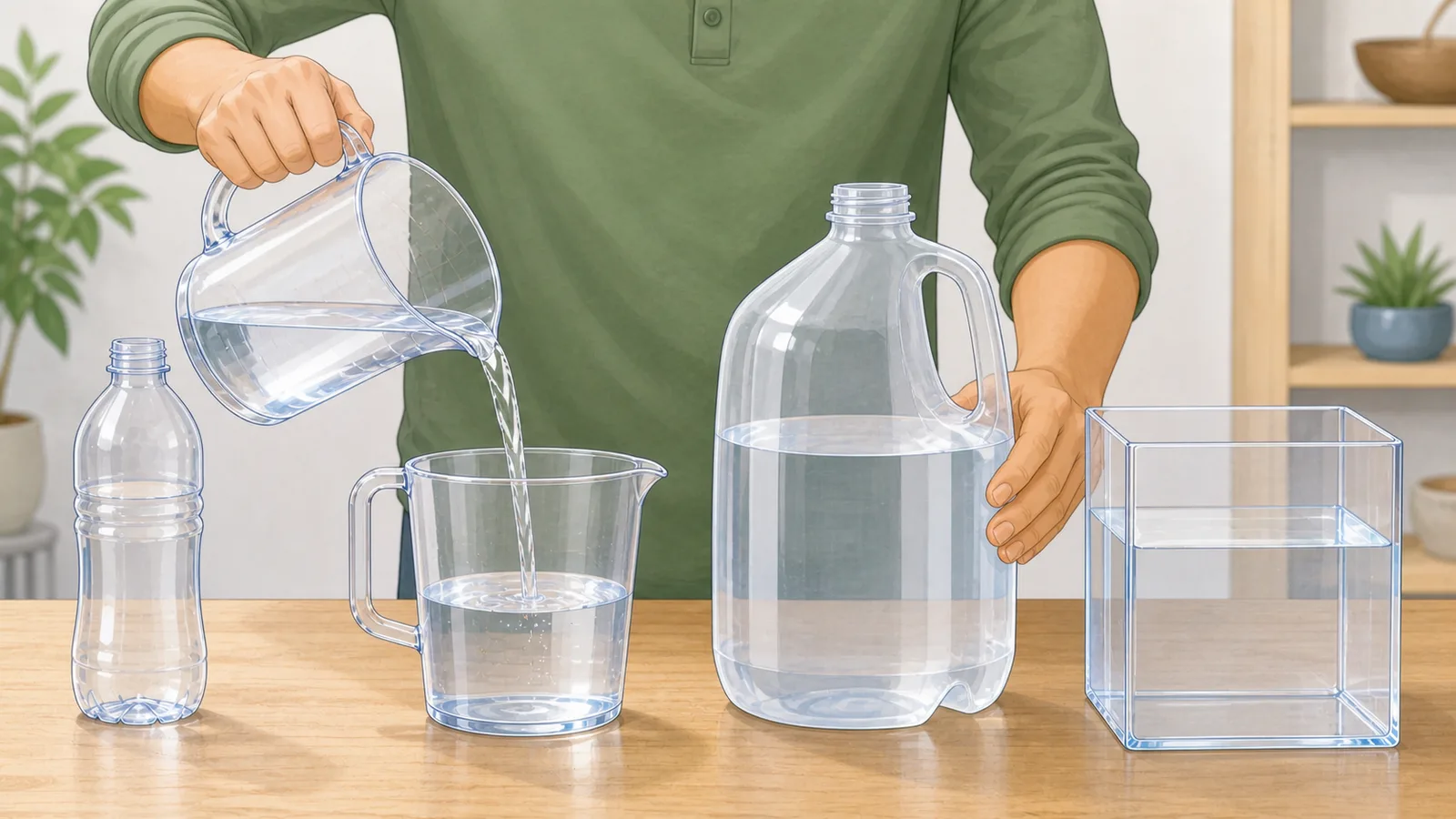
A US pint = 473.18 ml. A UK (imperial) pint = 568.26 ml. The UK pint is about 20% larger. Make sure you know which pint your recipe or order uses.
How many litres in a US gallon vs a UK gallon?
A US gallon = 3.785 L. A UK (imperial) gallon = 4.546 L. The UK gallon is about 20% larger, the same ratio as for pints because both systems use the same nested structure (8 pints = 1 gallon).
Is a cubic centimetre the same as a millilitre?
Yes, exactly. 1 cm³ = 1 ml by definition. This is because the litre was originally defined as the volume of a 10 cm × 10 cm × 10 cm cube = 1,000 cm³ = 1,000 ml. So 1 cm³ = 1 ml, and 1 m³ = 1,000 L.
How do I convert litres to gallons?
For US gallons, divide litres by 3.785411784. For UK imperial gallons, divide litres by 4.54609. For example, 10 L is about 2.642 US gallons or 2.200 UK gallons. The difference is large enough that a useful litres to gallons calculator must ask which gallon system you mean.
How do I convert gallons to litres?
Multiply US gallons by 3.785411784 to get litres. Multiply UK gallons by 4.54609 to get litres. A 5 US gallon container is about 18.927 L, while a 5 UK gallon container is about 22.730 L.
How many fluid ounces are in a litre?
One litre is about 33.814 US fluid ounces or about 35.195 UK fluid ounces. The US and UK fluid ounce differ, so a millilitres to fluid ounces conversion should keep the system label attached.
How do I convert cubic metres to cubic feet?
One cubic metre is about 35.3147 cubic feet. Multiply cubic metres by 35.3147 to convert to cubic feet, or divide cubic feet by 35.3147 to convert back to cubic metres. For litre context, 1 m³ is exactly 1,000 L.
Can I use a volume converter to convert litres to kilograms?
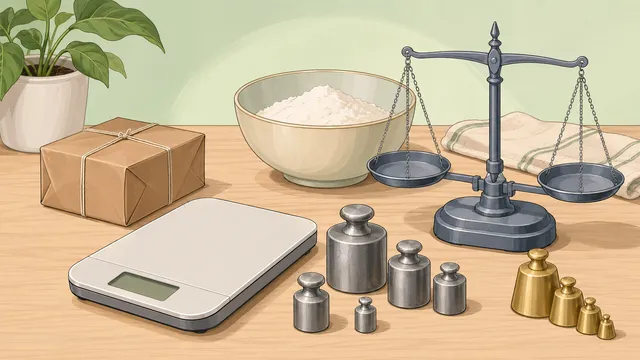
Not by unit conversion alone. Litres measure volume, while kilograms measure mass. You need the material's density to convert between them. Water is close to 1 kg per litre under ordinary conditions, but oil, fuel, flour, soil, and many other materials are not.
Why does the calculator show all units instead of only one result?
The direct target result answers the immediate search intent, such as litres to gallons or cups to millilitres. The all-units sheet then helps catch system mistakes, especially when gallon, pint, quart, cup, fluid ounce, cubic foot, and litre values appear together in recipes, product labels, fuel specs, or shipping data.
Does this page use a US cup, metric cup, or legal cup?
This page uses the 236.588 ml US customary cup because it is the cup definition tied to the US pint, quart, gallon, and fluid-ounce relationships shown here. A US legal nutrition cup is 240 ml, and a metric cup is 250 ml, so kitchen-specific recipe work may need a dedicated cooking or recipe volume converter instead.
Is this a liquid volume converter or a cubic volume converter?
It is both, as long as the input is already a volume. The tool can convert litres, millilitres, gallons, cups, pints, and fluid ounces as capacity units, and it can also convert cubic metres, cubic centimetres, cubic inches, and cubic feet as geometric volume units.
Does temperature change volume conversion factors?
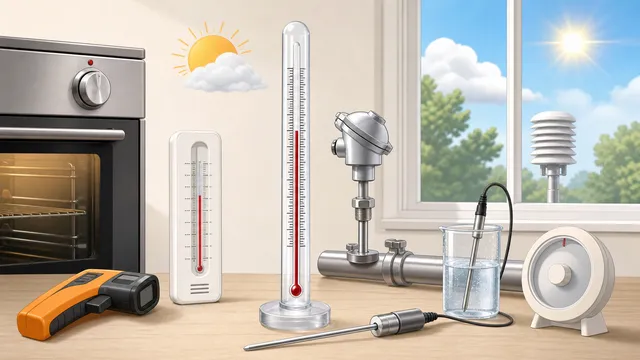
The unit factors themselves do not change: a US gallon is still the same defined unit and a litre is still the same defined unit. What can change with temperature is the actual volume occupied by a physical liquid, especially in high-precision trade, fuel, laboratory, or engineering contexts. Use the fixed converter for units, then apply any required temperature correction from the governing standard.