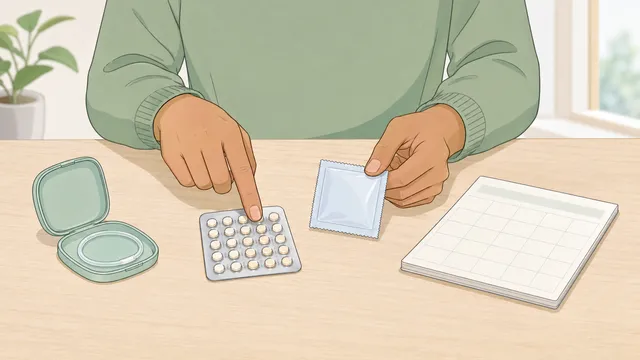
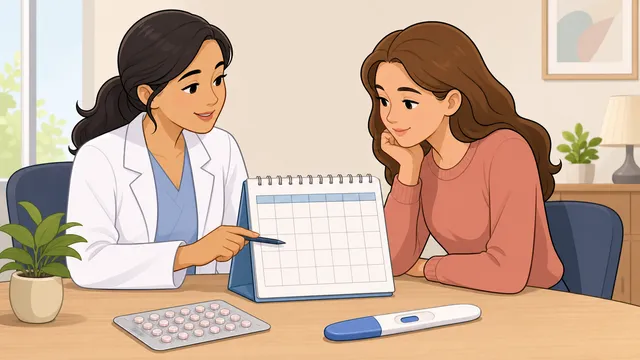
Use this hub when the question is about fertile windows, due dates, or pregnancy timing. It helps users choose the right calculator for ovulation, natural-conception due dates, and IVF-based timelines before they rely on an estimate.
Use this ovulation calculator to estimate ovulation day, fertile window, most fertile days, LH-testing start, milestone dates, common-cycle comparisons.
Why click this one
The best first stop when the user needs a fertile-window estimate from cycle timing.
Calculate an IVF transfer-based due date from embryo transfer date and embryo age, then review gestational age, gestational age at transfer, equivalent LMP.
Why click this one
Useful when embryo transfer timing changes the assumptions behind the estimate.
Women's-health timing searches often sound similar even when the user needs a different model. Ovulation calculators work from cycle timing. Due-date calculators work from last period, conception date, or embryo transfer timing. Pregnancy timeline tools help users orient around milestones once the date is set. This hub separates those use cases so the user can choose the method that matches the underlying timeline question.
Which fertility or pregnancy calculator should I use?
Use ovulation tools when the question is about fertile windows and cycle timing.
These are for planning around the cycle, not for confirming pregnancy.
Use due-date calculators when pregnancy has already started or conception timing is known.
They work best when the user needs an estimated due date and gestational timeline.
Use IVF-specific due-date tools when conception did not follow the standard cycle assumptions.
Embryo-transfer timing can shift the logic enough that a standard due-date calculator is the wrong choice.
Timing-tool comparisons
Ovulation calculators estimate a window; due-date calculators estimate a milestone.
They solve different parts of the fertility and pregnancy journey.
Cycle-based due-date estimates and IVF estimates should not be mixed.
The starting assumptions are different enough that using the wrong tool can shift the result.
Pregnancy timeline tools help interpret dates once the estimate exists.
They are useful for milestones and planning, not for confirming gestational age clinically.
Guides for this topic
Use these guides when you want context, not just a result box.
Track your menstrual cycle with more confidence, understand what counts as normal, estimate ovulation, and learn when symptoms deserve medical advice.
Why this guide matters
Useful background when the user needs cycle context before trusting an ovulation estimate.
Common questions
Fertility & Pregnancy Calculators questions.
How accurate is a due date calculated from my last period?
Due date calculation from LMP (last menstrual period) uses Naegele's rule — adding 280 days to the first day of the last period. This assumes a 28-day cycle and ovulation on day 14. Only about 4–5% of babies are born on their exact estimated due date. First-trimester ultrasound is the most accurate method for confirming gestational age.
Can these calculators tell me if I am pregnant?
No. These calculators estimate dates and windows based on your cycle inputs — they cannot determine whether conception has occurred or confirm a pregnancy. For a pregnancy test, use a home test kit or see a healthcare provider.
Does cycle length affect the due date estimate?
Yes. Standard due date calculation assumes a 28-day cycle. If your cycle is consistently shorter or longer, the due date calculator adjusts the ovulation estimate accordingly, shifting the due date by the difference. A cycle length input field allows you to customise this.