
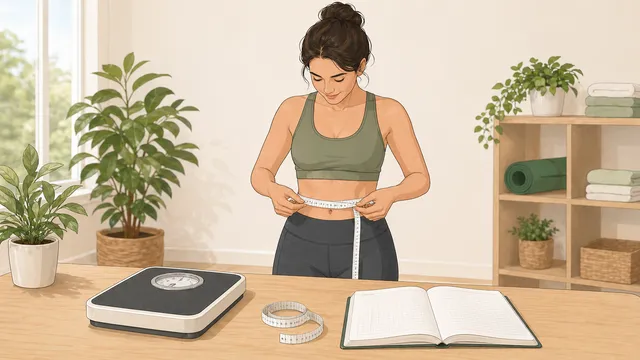
Body Metrics Calculator
Use this body metrics calculator to compare BMI, BAI, BRI, body fat distribution, waist-to-height ratio, waist-to-hip ratio.
Why click this one
The fastest route to a widely understood reference point.
28 calculators
Use this hub when the question is about measurement, classification, or body-size screening. It helps users choose between BMI, body-fat, ideal-weight, and other body-metrics calculators before they move into calorie or training planning.

Adjusted Body Weight Calculator
Use this adjusted body weight calculator to compare Hamwi and Devine ideal body weight, see 120% versus 130% IBW trigger checks.
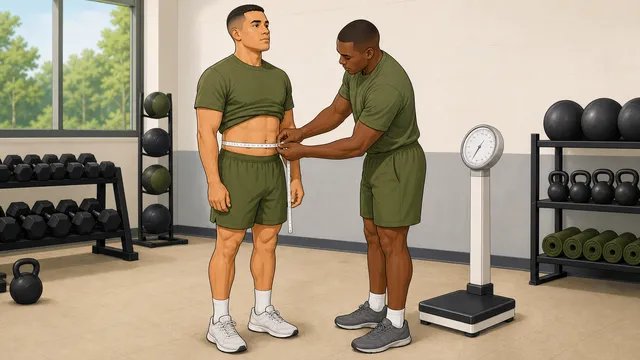
Army Body Fat Calculator
Estimate Army body fat percentage with the current one-site abdomen method, compare the rounded result with Army body fat standards.

Baby Growth Percentile Calculator
Screen infant weight, length, and head-circumference percentiles against WHO growth standards for babies under 2 years.

Bedridden Patient Height Calculator
Use this bedridden patient height calculator to estimate older-adult surrogate stature from knee height when standing height cannot be taken safely.
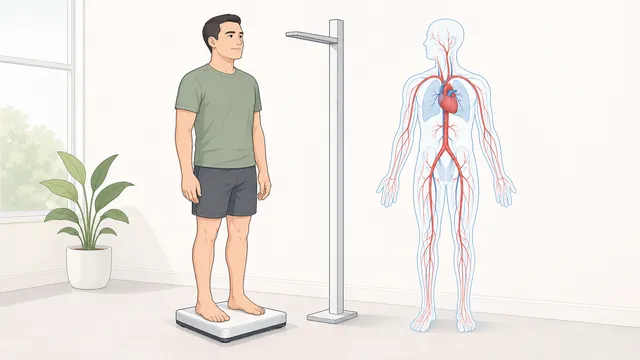
Blood Volume Calculator
Blood volume calculator for estimated circulating blood volume, mL/kg context, formula comparison, hematocrit split, and loss-threshold guidance.

Body Fat Calculator
Estimate body fat percentage with circumference measurements, then compare fat mass, lean mass, waist-to-height context.

Body Frame Size Calculator
Estimate body frame size — small, medium, or large — from height and wrist circumference or elbow breadth using frame-size reference methods.
Body Metrics Calculator
Use this body metrics calculator to compare BMI, BAI, BRI, body fat distribution, waist-to-height ratio, waist-to-hip ratio.

Body Shape Calculator
Use this body shape calculator to identify your body type from shoulders, bust or chest, waist, and hip measurements, then interpret waist-to-hip.

Body Surface Area Calculator
Calculate body surface area (BSA) in m² from height and weight, compare Mosteller, Du Bois, Haycock, Gehan & George, and Boyd formulas, review formula spread.
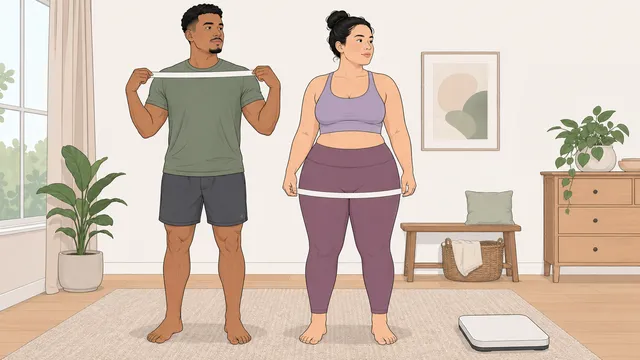
Body Type Calculator
Use this body type calculator to estimate whether your current build reads more ectomorphic, mesomorphic, or endomorphic from BMI, frame size.

Child Height Percentile Calculator
Use this child height percentile calculator to look up CDC height-for-age percentile for children and teenagers, compare the result with chart lines.

Child Teen BMI Calculator
Calculate BMI-for-age for children and teenagers using CDC growth-chart percentiles, then review the 5th, 50th, 85th, and 95th cut-offs.

Child Weight Percentile Calculator
Look up child weight percentile using CDC weight-for-age chart data, with a percentile sheet for clinical context and a paediatric screening explanation.
Desk Height Calculator
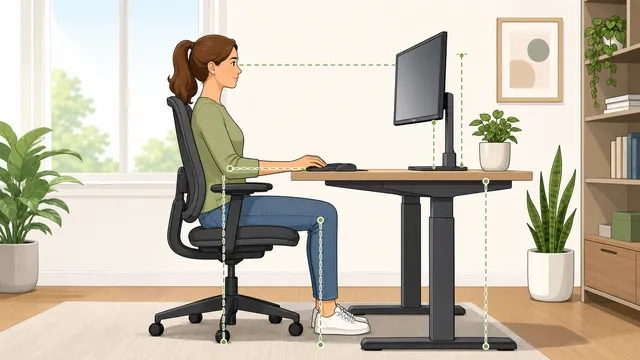
Use this desk height calculator to plan ergonomic seated and standing desk height in cm or inches, plus chair height, keyboard height, monitor placement.
FFMI Calculator
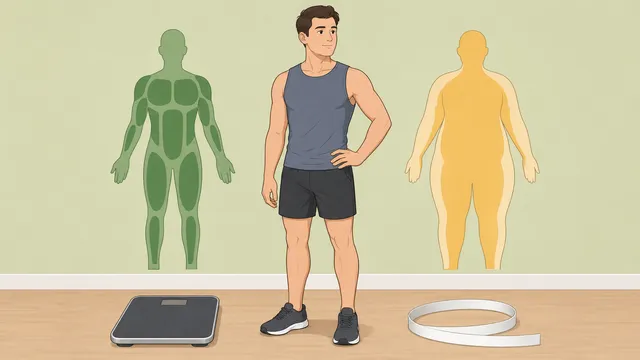
Use this FFMI calculator to estimate Fat-Free Mass Index, normalised FFMI, fat-free mass, body-fat source confidence, body-fat sensitivity.

Height Calculator
Use the height calculator to convert centimetres, metres, feet, inches, and millimetres, compare the exact difference between two heights.

Height Comparison Calculator
Use this height comparison calculator to compare 2 to 6 heights side by side, rank the group, see every exact height difference.

Ideal Body Weight Calculator
Compare Hamwi, Devine, Robinson, and Miller ideal body weight formulas with healthy BMI range, target BMI, and current-weight context.

Lean Body Mass Calculator
Estimate lean body mass from body fat percentage or Boer, James, and Hume height-and-weight formulas, then compare fat mass, lean share, formula spread.

Navy Body Fat Calculator
Estimate body fat percentage with the US Navy circumference method, then compare fat mass, lean mass, BMI, FFMI, waist-to-height ratio, and tape-test context.
Ponderal Index Calculator
Calculate Ponderal Index (mass divided by height cubed) as a height-proportionate alternative to BMI, with a category from underweight to obese.

Predicted Height Calculator
Use the predicted height calculator to estimate a child's adult target height from both parents, compare boy and girl target-height rows from the same family.
Q Angle Calculator
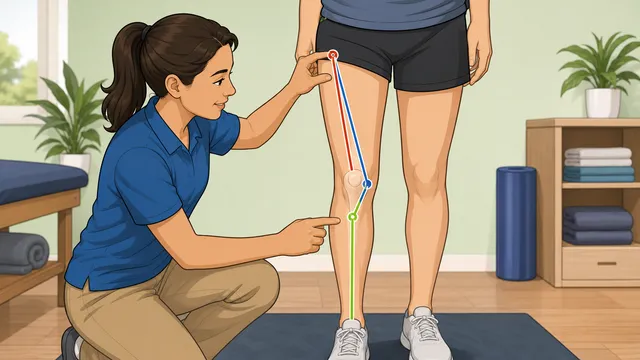
Calculate Q angle from ASIS and tibial-tuberosity landmark offsets, then compare the result with common adult reference bands.

RFM Calculator
Estimate relative fat mass from height and waist circumference with sex-specific body-fat categories, example presets, waist-to-height context.
Skinfold Body Fat Calculator
Estimate body fat percentage from skinfold caliper measurements using Jackson-Pollock 3-site, Jackson-Pollock 7-site, or Durnin-Womersley protocols.

Total Body Water Calculator
Estimate total body water and body-water percentage with Watson or Hume-Weyers, then compare formula spread, body-water rule-of-thumb context.

Weight Loss Percentage Calculator
Calculate your weight loss percentage from starting and current weight, compare it with common 3%, 5%, 10%, 15%, and 20% milestone checkpoints.
Featured calculators
Start with these tools if you want the fastest route into the most common decisions in this topic.
Use this body metrics calculator to compare BMI, BAI, BRI, body fat distribution, waist-to-height ratio, waist-to-hip ratio.
Why click this one
The fastest route to a widely understood reference point.
Estimate body fat percentage with circumference measurements, then compare fat mass, lean mass, waist-to-height context.
Why click this one
Best when the user wants a composition estimate rather than a height-weight index.
Compare Hamwi, Devine, Robinson, and Miller ideal body weight formulas with healthy BMI range, target BMI, and current-weight context.
Why click this one
Useful when the practical question is what goal range could make sense, not just what category the user is in.
Nutrition
Calories, macros, hydration, and body-composition planning tools.
Hydration
Water intake and hydration target calculators.
Women's Health
Fertility, ovulation, due-date, and pregnancy timing tools.
Fitness
Performance, exercise output, heart-rate, and pacing calculators.
Body metrics are useful when they help a user choose the next action. The problem is that each metric answers a slightly different question. BMI is fast and broad. Body-fat tools aim for composition estimates. Ideal-weight ranges help with goal setting. This hub is designed to route those intents so users understand which metric is useful for screening, which is better for context, and which should not be over-interpreted on its own.
Which body-metrics calculator should I use?
It is the most useful first step for a quick height-and-weight check or general classification.
They are better for users who need a lean-versus-fat estimate rather than a simple BMI category.
These are better when the user wants a reference range rather than a classification label.
Body-metrics comparisons
That trade-off is why BMI is often the first screen and body-fat the follow-up.
They are useful for framing goals but should not be treated as a full health assessment.
For example, a BMI result may lead the user into body-fat, waist ratio, or calorie-planning tools depending on context.
Guides for this topic
Use these guides when you want context, not just a result box.
Understand the real differences between body fat percentage and BMI — what each measures, where each falls short, and how to use both wisely.
Why this guide matters
A direct guide for users deciding whether BMI is enough or whether they need a composition-oriented tool.
Explore what 'ideal weight' actually means using BMI, body type, and evidence-based calculators — and why the number on the scale isn't the full picture.
Why this guide matters
Useful when the user wants context around weight targets rather than a single formula output.
A sensible approach to monitoring your body composition using BMI, body fat, TDEE, and calorie calculators — focused on trends, not daily numbers.
Why this guide matters
A practical next step once the user has picked a metric and needs a way to use it over time.
Common questions
BMI is the most widely used screening tool, but it has well-documented limitations — particularly for people with high muscle mass or certain ethnic backgrounds. Waist-to-height ratio is increasingly recommended as a supplement because it correlates well with metabolic risk. Using two or three metrics together gives a more complete picture than any single number.
The BMI formula and the WHO classification categories are the same for adult men and women. However, the same BMI can represent different body fat percentages between sexes, which is one reason BMI is often used alongside other measures such as body fat percentage or waist circumference.
The ideal weight range and BMI calculators can give you a reference range to aim for. However, weight targets should account for your individual body composition, health history, and lifestyle — factors these formulas cannot assess. Discuss personal weight goals with a GP or registered dietitian.