Skip to content
Calcipedia
Cylinder Cubic Feet Calculator instructional illustration

Cylinder Cubic Feet Calculator

Use this cylinder cubic feet calculator to calculate cylinder volume from diameter and height, scale multiple cylinders.

Last updated

Cylinder cubic feet planning Use this cylinder cubic feet calculator to turn round forms, tanks, drums, and pipe sections into a practical project quantity in cubic feet, cubic yards, cubic metres, gallons, and litres without doing the radius conversion by hand.

Measurement setup

Quick examples

How to get a useful cylinder volume estimate

Use the inside diameter for tanks, drums, and pipe capacity checks, or the filled diameter for concrete forms and other round pours. The calculator converts the measurements into one base unit before it solves the cylinder volume formula.

The count stays whole-number only because most real projects are made up of complete cylinders. Waste is kept separate so you can compare the pure geometric result with a more realistic ordering figure.

The headline result is the waste-adjusted project volume, while the planning sheet below keeps the one-cylinder figure visible for sense-checking drawings, tube sizes, or tank sections.

Waste-adjusted project volume

3.30 cubic feet

Planning quantity for 1 cylinder after adding 5.0% waste. One cylinder holds 3.14 ft³ before scaling or allowance.

One cylinder
3.14 ft³
Project total
3.14 ft³
Cubic yards
0.122 yd³
Cubic meters
0.093 m³
US gallons
24.68 gal
Liters
93.41 L
Footprint
0.785 ft²
Volume per extra foot
0.785 ft³

Planning sheet

ScenarioCubic feetCubic metersCubic yardsGallons
One cylinder3.14 ft³0.089 m³0.116 yd³23.50 gal
All cylinders3.14 ft³0.089 m³0.116 yd³23.50 gal
All cylinders + waste3.30 ft³0.093 m³0.122 yd³24.68 gal
Allowance already added Use the waste-adjusted line for procurement conversations and the one-cylinder line for checking whether the entered geometry looks right.

Concrete planning shortcut

If this cylinder is a concrete form or round footing batch, the waste-adjusted total is roughly 6 80 lb bags or 8 25 kg bags.

60 lb bags
8
80 lb bags
6
20 kg bags
10
25 kg bags
8

Interpret the result

Every extra foot of cylinder height adds 0.785 ft³. Every extra metre adds 0.073 m³, which makes it easier to adjust a tank section or tube depth without restarting the whole estimate.

The circular footprint is 0.785 ft² (0.073 m²), and the same waste-adjusted space would hold about 93.41 litres or weigh about 205.8 lb if filled with water.

Use the one-cylinder row to validate the geometry, the project total to multiply identical cylinders, and the waste-adjusted row when you need a more realistic ordering or capacity-planning number.

← All Dimensions & Conversions calculators

Construction dimensions

Cylinder cubic feet calculator for sonotubes, tanks, drums, and round forms

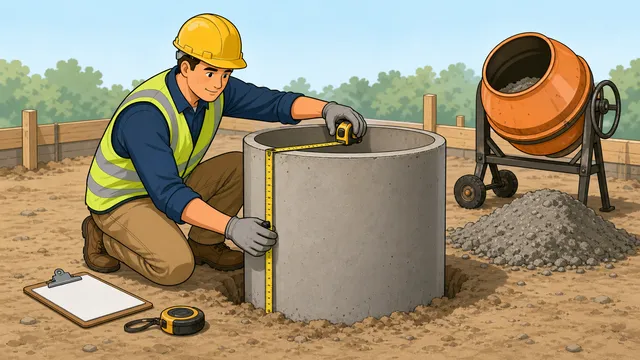
Use this cylinder cubic feet calculator to turn a round form, tank section, drum, culvert, or pipe run into a practical planning quantity in cubic feet. It helps you check one-cylinder volume, multiply by the number of identical cylinders, compare the same result in cubic yards and cubic metres, and translate the answer into gallons and litres before you order concrete, compare tank capacity, or sanity-check a drawing.

What this cylinder cubic footage calculator helps you plan

A cylinder cubic footage calculator is useful when the job starts with diameter and height but the decision you actually need to make is about quantity. A round column form, sonotube, pipe sleeve, tank section, or cylindrical void may look simple on paper, yet site planning usually needs the answer in cubic feet first and then in whatever purchasing or comparison unit comes next.

That is why this page does more than show one raw geometry figure. It solves the volume of one cylinder, scales the result across multiple identical cylinders, and adds an optional waste allowance so the output is closer to a procurement conversation rather than to a classroom-only formula result.
How the cylinder volume formula works

Cylinder volume is the circular footprint multiplied by height. The footprint uses the circle-area formula, so the radius matters twice: once in each direction across the base. Because the radius is half the diameter, the safest way to use a diameter-based calculator is to let the page convert diameter into radius for you instead of doing that step mentally on site.

Once the result is in cubic feet, the same number can be converted into cubic yards for ready-mix comparisons, cubic metres for metric procurement, or gallons and litres for tank-capacity checks. That matters because many construction users think in cubic feet when measuring, but suppliers and adjacent use cases often switch units immediately.

Volume = π × (Diameter / 2)² × Height

The calculator converts the diameter into a radius, solves the circular base area, and multiplies by height to get cylinder volume.

Cubic yards = Cubic feet / 27

Dividing cubic feet by 27 gives the same cylinder volume in cubic yards for concrete-order comparisons.

Cubic metres = Cubic feet ÷ 35.3147

Dividing cubic feet by 35.3147 converts the same result into cubic metres for metric ordering and capacity comparisons.

Worked example: one round form, then a small project total

Suppose one cylindrical form has a diameter of 12 inches and a height of 24 inches. Converted into feet, that is a 1-foot diameter and a 2-foot height. The radius is therefore 0.5 feet, so the cylinder volume is π × 0.5² × 2, or about 1.57 cubic feet.

If the project uses 4 identical cylinders, the measured total becomes about 6.28 cubic feet. Add a 5% allowance and the planning total becomes about 6.60 cubic feet, or roughly 0.244 cubic yards. That difference is exactly why a project-count and waste layer is helpful: the geometric answer for one cylinder is not always the number you actually need to order around.

Common jobsite mistakes this page helps prevent

The most common mistake is mixing inches and feet without converting consistently. A diameter entered in inches and a height entered in feet are perfectly valid, but only if the calculator converts them into the same base unit before solving the formula. Doing that by hand is where avoidable errors tend to creep in.

Another common mistake is confusing diameter with radius. If someone plugs a full diameter into a radius-only formula, the result will be four times too large because the squared term magnifies the error. A third mistake is treating the exact geometric figure as the procurement figure even when overfill, cleanup, or a small material allowance should be considered separately.

Further reading

When cubic feet is only the first answer you need

Many searches for a cylinder volume calculator start with cubic feet but end with a different decision. Concrete is often ordered in cubic yards or compared against bag counts. Tanks and drums are usually compared in gallons or litres. International project notes may need cubic metres even when the original field measurements were taken in inches or feet.

That is why a useful cylinder cubic footage calculator should not stop at one headline number. The stronger workflow is to show the one-cylinder result, the multi-cylinder total, and the same volume in adjacent units so you can move from geometry into ordering, storage, or capacity planning without opening a second tool.

Concrete pours, tank capacity, and pipe runs need different interpretations

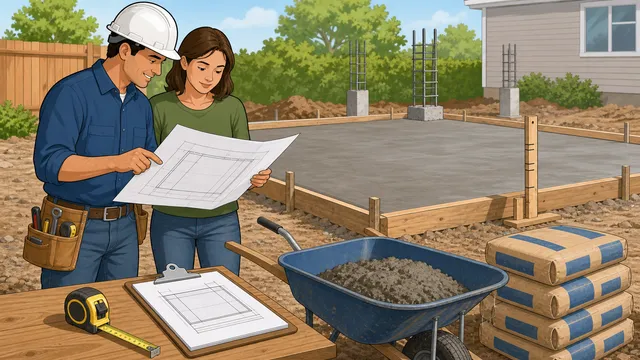
If the cylinder represents a concrete form, the most useful result is usually the waste-adjusted project total. It is the number to compare with cubic-yard delivery, packaged-concrete bags, or a ready-mix quote. The one-cylinder line still matters because it lets you catch a wrong tube diameter or depth before multiplying the mistake across the whole batch.

If the cylinder represents tank capacity, the gallons and litres matter more than the cubic-yard figure. If it represents a culvert, duct, or pipe section, the volume-per-foot or volume-per-metre view can be more practical than the full project total because you can estimate the effect of adding length without re-entering every value.

Metric and mixed-unit measurements are common in real projects

Universal cylinder planning tools should not assume every user measures in the same unit. A drawing may give one dimension in metres, a field tape may read inches, and a supplier quote may come back in cubic metres or litres. A calculator that accepts diameter and height in inches, feet, centimetres, or metres removes that manual conversion step.

That flexibility also reduces the risk of entering the right dimensions in the wrong unit. If you are estimating a sonotube, you might know the diameter in inches and the depth in feet. If you are estimating a culvert or tank, both values may be metric. The best calculator handles both cases cleanly and keeps the answer readable in multiple volume units.

What this result does not cover

This calculator assumes a true cylinder with constant diameter from top to bottom. It does not cover tapered forms, belled footings, domed tops, irregular excavations, or any case where the shape changes along the height.

It also does not decide how much waste is correct for your project. The waste control is a planning convenience, not a code or supplier rule. Use it to compare scenarios, then confirm the real ordering tolerance, yield assumptions, and placement method before buying material from the estimate.

Concrete bag counts are also comparison figures rather than a promise of field yield. Actual packaged-concrete output depends on mix type, water content, placement losses, and the manufacturer guidance for the specific bag you buy.

Frequently asked questions

How do I calculate cubic feet for a cylinder?

Measure the diameter and height, convert them into the same unit, and use the formula π × (diameter / 2)² × height. A cylinder cubic footage calculator handles the radius step and the unit conversions automatically so you do not accidentally mix inches and feet.

What is the difference between cubic feet and cubic yards here?

They are the same volume expressed in different units. Cubic feet is often easier for direct geometry checks, while cubic yards is more useful when comparing ready-mix quantities because 1 cubic yard equals 27 cubic feet.

Should I use inside diameter or outside diameter?

Use the diameter that matches the space being filled or contained. For a concrete form, that is usually the inside diameter of the tube because you want the concrete volume, not the outer cardboard size. For a tank or pipe-capacity question, use the internal diameter of the space that actually holds the material.

Why add waste if the cylinder volume is already exact?

Because the exact geometric volume and the practical planning quantity are not always the same. A small allowance can help cover overfill, cleanup, irregular edges, or procurement tolerance. The measured one-cylinder figure is still useful, but the waste-adjusted total is often the number that better matches a real ordering conversation.

Can I use metric measurements in a cylinder cubic feet calculator?

Yes. A strong calculator should let you enter diameter and height in centimetres or metres as well as inches or feet, then convert the answer into cubic feet, cubic metres, litres, and other planning units automatically.

How many bags of concrete does a cylindrical form need?

That depends on the diameter, height, count, and waste allowance. Once the cylinder volume is known, you can compare the total with approximate packaged-concrete yields or with a ready-mix order. Bag counts are useful as planning cues, but they should still be checked against the exact product you plan to buy.

When should I switch from bagged concrete to ready-mix?

A common planning breakpoint is around 1 cubic yard, or 27 cubic feet, because the labour and consistency trade-offs change once the batch gets larger. The exact answer depends on access, crew size, delivery constraints, and the mix you need, but that threshold is a practical cue for when a ready-mix quote becomes worth checking.

What diameter should I use for tanks, drums, or pipe sections?

Use the inside diameter of the space that actually holds the material. Outside diameter can be useful for product selection, but it overstates the fillable or usable capacity if wall thickness is significant.

Why is volume per foot of height useful?

Because the circular footprint does not change if the diameter stays constant. Once you know the volume added by each extra foot or metre of height, you can quickly estimate the effect of a longer tank section, deeper tube, or taller drum without rebuilding the whole calculation.

Also in Dimensions & Conversions

You may also need

Related

More from nearby categories

These related calculators come from the same leaf category, nearby sibling categories, or the same top-level topic.