Vector magnitude calculator: find the length of a vector
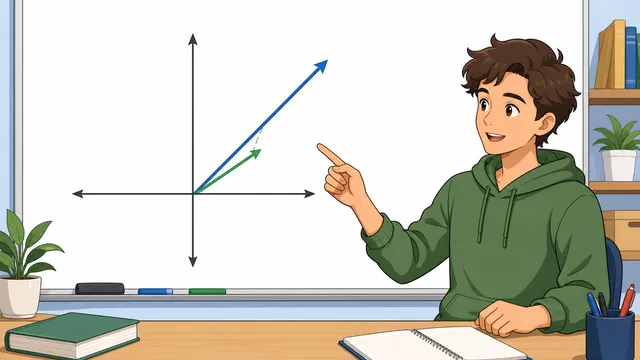
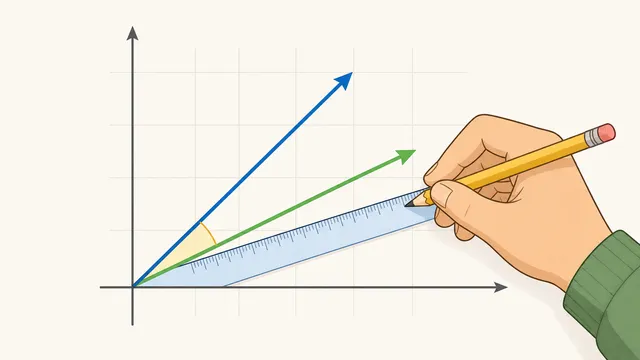
A vector magnitude calculator computes the length (norm) of a 2D or 3D vector using the Euclidean distance formula. It also provides the unit vector and direction angles.
Computing magnitude
The magnitude of vector v = (x, y, z) is |v| = √(x² + y² + z²). For 2D vectors, omit the z component.
The unit vector is v/|v|, pointing in the same direction with magnitude 1. Direction angles give the angle to each coordinate axis.
|v| = √(x² + y² + z²)
Euclidean vector magnitude. This is the specific relationship the calculator applies when building the result.
Worked example and interpretation
A worked example helps translate the vector magnitude calculator maths into a realistic scenario so the user can compare the headline result with a concrete set of inputs.
That matters because a result is easier to trust when the page shows how the same logic behaves in a practical case instead of leaving the formula abstract.
Using the result well
Use the vector magnitude calculator output as a planning aid, then compare it with the assumptions, units, and caveats shown elsewhere on the page before acting on the number alone.
That extra interpretation step matters because a calculator can simplify the arithmetic but still cannot replace real-world context such as local rules, contract terms, or individual circumstances.
Frequently asked questions
Can magnitude be negative?
No — magnitude is always non-negative. It is zero only for the zero vector.
What is the difference between magnitude and norm?
For Euclidean vectors, magnitude and norm (specifically the L2 norm) are the same thing.
How can I check the vector magnitude calculator: find the length of a vector result manually?
The safest manual check is to follow the same formula or rule one step at a time and compare that working with the calculator output. That catches sign errors, bracket mistakes, and input-order mixups without requiring any extra method beyond the underlying maths itself.