How do I convert a slow cooker recipe to an Instant Pot?
Start by translating the slow-cooker time into a much shorter pressure-cook window, then rebuild the recipe around pressure-cooker rules rather than copying the crockpot method exactly. That usually means reducing liquid, deciding whether natural or quick release makes more sense, and separating delicate ingredients such as vegetables, dairy, or thickeners from the main pressure stage.
What is the usual slow cooker to pressure cooker time conversion?
There is no single official universal chart, but a common planning benchmark is that a meat-based recipe cooked for 8 hours on low or 4 hours on high in a slow cooker often lands around 25 to 30 minutes in an electric pressure cooker. That works as a starting point, not a guaranteed finish line, because recipe density, frozen ingredients, batch size, and ingredient staging still matter.
Do I need less liquid in the Instant Pot than in a slow cooker?
Usually yes. A slow cooker loses more moisture over time, while an Instant Pot traps steam and needs only enough thin liquid to come to pressure safely. Many converted recipes need the original liquid reduced, but you still need to satisfy the minimum liquid requirement in your appliance manual and avoid relying on thick sauces alone.
What is the best release method for converted slow-cooker recipes?
It depends on the dish. Natural release is often better for meats, braises, and larger dense dishes because it lets pressure and bubbling fall gradually. Quick release is usually better for vegetables and delicate proteins that would overcook if they sat under residual heat. Thick, fatty, oily, or high-starch recipes should not default to quick release because manufacturer guidance warns against that pattern.
Can I pressure cook frozen ingredients when converting a slow-cooker recipe?
Often yes, but it changes the plan. Frozen starts usually need more time, and the center of the food takes longer to heat than the outside. That makes a converted recipe less forgiving, especially if you also have a large batch or dense ingredients, so the result should be treated as a longer estimate with a wider finish window.
Should I add vegetables at the beginning or after pressure cooking?
For many stew-style conversions, it is better to add quick-cooking vegetables late or in a second short stage. Extension conversion advice notes that vegetables can turn mushy if they stay under pressure as long as the meat, grains, or beans. The best workflow is often to cook the tougher ingredients first and finish the delicate ones afterward.
When should I add dairy or a cornstarch slurry?
Usually after pressure cooking, not before. Dairy can split or scorch, and starch-based thickeners can interfere with smooth pressure cooking if the pot is already thick. A safer method is to pressure cook the main ingredients, release safely, then stir in dairy, a slurry, or a finishing reduction during the final simmer.
Are all crockpot recipes good candidates for an Instant Pot conversion?
No. Recipes that depend on evaporation, very crispy finishes, fragile dairy texture, or long layered vegetable cooking may not convert cleanly. Some slow-cooker recipes are simply better left in a slow cooker, and a good converter should flag that possibility instead of implying every recipe can be pressure cooked without tradeoffs.
How full can the Instant Pot be when I convert a recipe?
Do not treat it like a slow cooker that can be packed nearly to the top. Manufacturer and extension guidance both warn that pressure-cook fill limits matter. In general, you stay below the pressure-cook max-fill line, and recipes with expanding foods such as beans, grains, or pasta need more headroom than meat or broth-only dishes.
How do I know the converted recipe is actually done and safe?
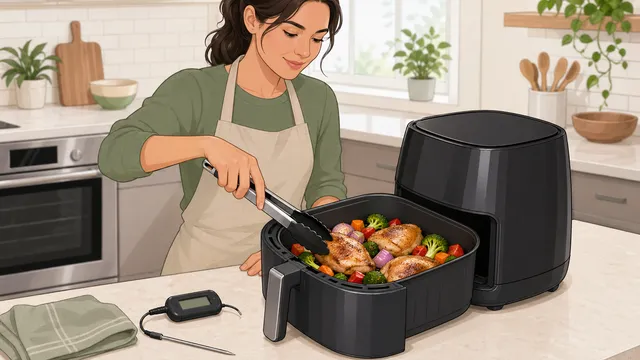
Use the timer to know when to start checking and a thermometer or direct doneness checks to decide when to stop. Conversion tools estimate process time, but they do not replace food-safety standards for meat, poultry, fish, or leftovers. If the recipe matters for safety, verify internal temperature rather than assuming the pressure minutes were enough.