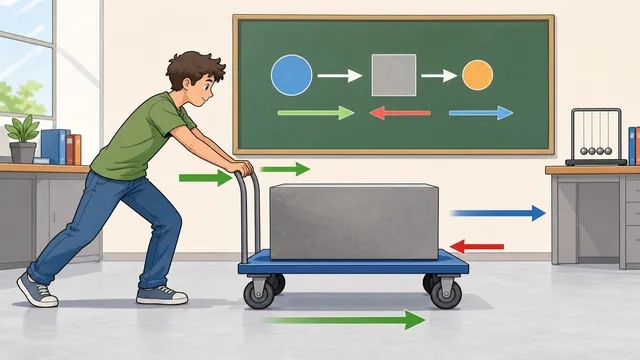
Calculate mechanical power from work and time or force and velocity with a work and power calculator using P = W / t and P = F × v.
Last updated
Work and power calculator Use this physics power calculator to solve power from work and time or from force and
velocity. It covers the search intent behind work and power calculator, mechanical power
calculator, and force times velocity calculator queries without overlapping the electrical
power calculator page.
Power from work and time
Use this physics power calculator when you know work and elapsed time. It solves P = W / t.
Formula used in this mode: P = W / t.
Enter two known values Pick a mode and enter the two values you already know. This page works as a work and power calculator or a force and velocity calculator depending on the physics problem you need to solve.
Use this work and power calculator to solve mechanical power from work and time or from force and velocity. It keeps the physics definition of power visible, separates the page from electrical power calculators, and helps users check the correct formula for the pair of values they already know.
What this work and power calculator solves
This page solves mechanical power problems in the standard physics sense: work divided by time, or force multiplied by velocity. It is built for search intent such as work and power calculator, mechanical power calculator, and physics power calculator, where the user already knows two values and wants the missing power value quickly.
The calculator also helps users separate mechanical power from electrical power. In physics, power is the rate of doing work or transferring energy, and the watt is the SI unit used for that rate.
P = W / t
Power equals work divided by time. This is the specific relationship the calculator applies when building the result.
P = F × v
Power equals force multiplied by velocity when the motion is aligned with the force.
1 W = 1 J/s
One watt is one joule of work done per second.
Power from work and time
When you know the work done and the time taken, the power is the work divided by the elapsed time. A larger amount of work completed in the same time means higher power, while the same work spread over a longer interval means lower power.
This mode is useful for questions like how to calculate power from work and time or work divided by time calculator, because the calculation is direct once both values are in consistent SI units.
Power from force and velocity
When force and velocity point in the same direction, power equals force times velocity. That makes the force-and-velocity mode useful for simple mechanical motion problems, conveyor estimates, and other idealised physics scenarios where the force is aligned with the motion.
If the force and motion are not aligned, a full vector treatment may be needed. This calculator is intentionally scoped to the clean textbook case so it stays fast, readable, and useful for common power formula searches.
Worked examples
A machine that does 1000 J of work in 10 s produces 100 W of power because 1000 divided by 10 equals 100. That is the simplest work and power example and the one most users expect from a power calculator physics search.
A force of 50 N moving at 20 m/s produces 1000 W because 50 multiplied by 20 equals 1000. A negative work example also matters: if the work is -500 J over 10 s, the power is -50 W, which indicates energy leaving the system rather than being added to it.
1000 J over 10 s → 100 W
50 N at 20 m/s → 1000 W
-500 J over 10 s → -50 W
Units, sign, and limitations
Work is measured in joules, time in seconds, force in newtons, velocity in metres per second, and power in watts. Using those SI units keeps the relationships consistent and makes the formula output easier to interpret.
A negative work value can be meaningful in physics, but zero or negative time is not. The calculator does not handle electrical power, phase angle, power factor, or horsepower conversion, so use the dedicated pages for those problems.
If the problem is electrical, the power calculator page is the better fit. If the question is about engine output, a horsepower calculator is more appropriate. This page stays narrowly focused on the mechanics-style power formula so the result is easy to trust and easy to explain.
That focus is also why the page keeps the work-and-time and force-and-velocity modes separate. Each mode solves a common physics pattern without mixing unrelated assumptions into the answer.
Frequently asked questions
What is power in physics?
Power is the rate at which work is done or energy is transferred. The SI unit is the watt, and one watt equals one joule per second.
How do you calculate power from work and time?
Use P = W / t. Divide the amount of work done, measured in joules, by the time taken in seconds.
How do you calculate power from force and velocity?
Use P = F × v when the force and motion are aligned. Multiply the force in newtons by the velocity in metres per second.
Can power be negative?
Yes. Negative power can appear when the system is losing energy or when the work term is negative in the chosen sign convention.
Is zero power possible?
Yes. If no work is done over time, or if force or velocity is zero in the aligned force-and-velocity case, the power can be zero.
Is this the same as an electrical power calculator?
No. Electrical power uses volts, amps, and ohms. This page is for mechanical power in physics, where work, time, force, and velocity are the relevant quantities.
Why does the calculator need two known values?
Two known values are enough to solve the remaining quantity uniquely in the simplified physics model. Fewer values leave the result underdetermined.
What units should I use?
Use joules for work, seconds for time, newtons for force, and metres per second for velocity. SI units keep the watt output consistent.
When should I use a horsepower calculator instead?
Use horsepower when the question is about engine output or vehicle performance. Horsepower is just another power unit, but it is usually used in transport rather than textbook physics problems.
Does this calculator handle angles or acceleration?
No. It is designed for the straightforward textbook cases. If angles, acceleration, or more complex motion are involved, you may need a different mechanics calculator.